
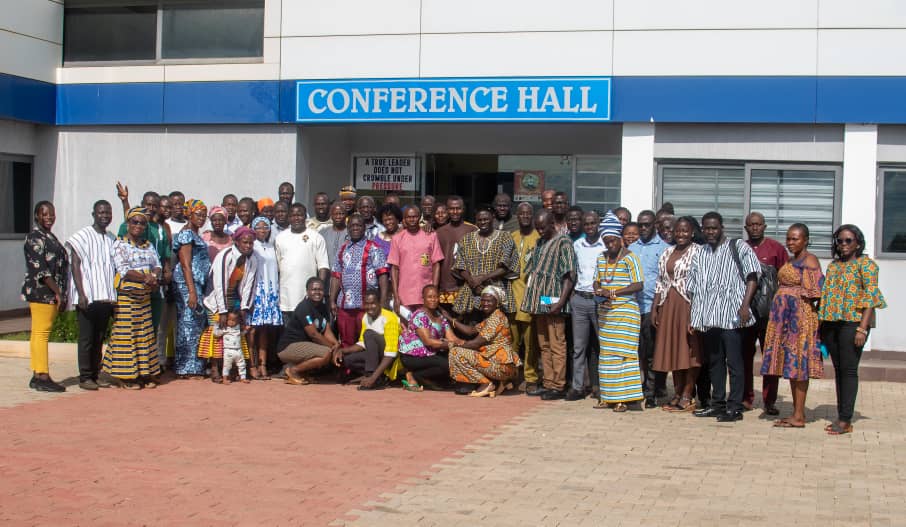
The Widows and Orphans Movement, a not-for-profit organization based in the Upper East Region, has held engagements with stakeholders at the Assembly level with the hope of harmonizing bylaws on Sexual and Reproductive Health and Rights.
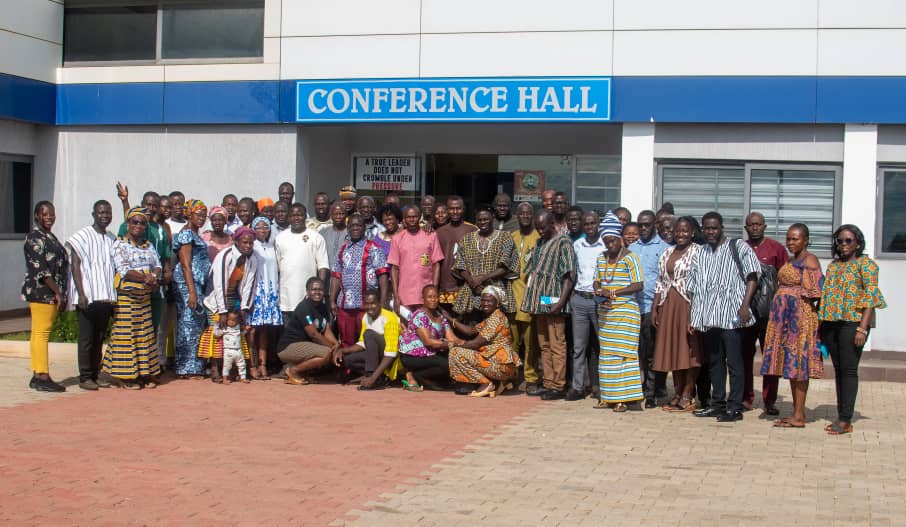
These stakeholders, comprising assembly Members, Chiefs and queens, district coordinating directors, planning officers, environmental health officers, Ghana Education Service, Ghana Health Service, and youth groups, were drawn from four districts and municipal assemblies, including Kassena Nankana West, Kassena Nankana Municipal, Builsa North Municipal, and Bongo Districts.
Widows and Orphans Movement, with support from WaterAid Ghana, hopes to harmonize the draft bye-laws on water and sanitation with the draft bye-laws on SRHR for gazetting and actual implementation.
As part of the draft by-laws, the assemblies are expected to address some gaps at the community level including parents being concerned about the children not returning home at the right time, provision of basic but necessary items like sanitary pads, handling stray animals, controlling the period for the holding of passing out ceremonies to ensure they do not go late into the night.
The Executive Director of Widows and Orphans Movement, Fatima Abigail Abdulai said her outfit’s efforts are meant to consolidate the ongoing efforts by the assemblies to formalize their bye-laws.
She is optimistic that the move will help in efficiently managing the scarce resources of the assemblies.
This, according to her, will help address many issues at the community level.
“We are supporting them to come together to develop by-laws on sexual representative health rights, but also going further to ensure these by-laws are gazetted. We know that these district assemblies have existing draft by-laws, but they’re unable to gazette them. So, we are supporting them to harmonize the water, sanitation, and hygiene draft by-laws they have with the draft sexual representative draft by-laws that we have developed in a manner that we support them to gazette them so that they are truly binding at the community level.” She stressed.
The Upper East Regional Director of the Commission on Human Rights and Administrative Justice (CHRAJ), Abdulai Jalaldeen noted that bye-laws must go through a process from the Assembly level to the Regional Coordinating Council through to the Ministry of Local Government for approval and gazetting before they eventually become effective.
“Before a by-law can be classified as a proper by-law, so-called, there are processes it must follow to be reviewed at the regional coordinating council and through to the Ministry of Local Government, and this by-law is eventually published, and that is what we call the gazetting. So, we are taking them through the processes to ensure these by-laws are effective and every good law should have a corresponding punishment.”
The Chief of Farinsa, Naab Roger Akanko described the introduction of bye-laws to tackle the communal-related issues as necessary.
“We need the bye-laws because that will stop these vices in our communities.”