
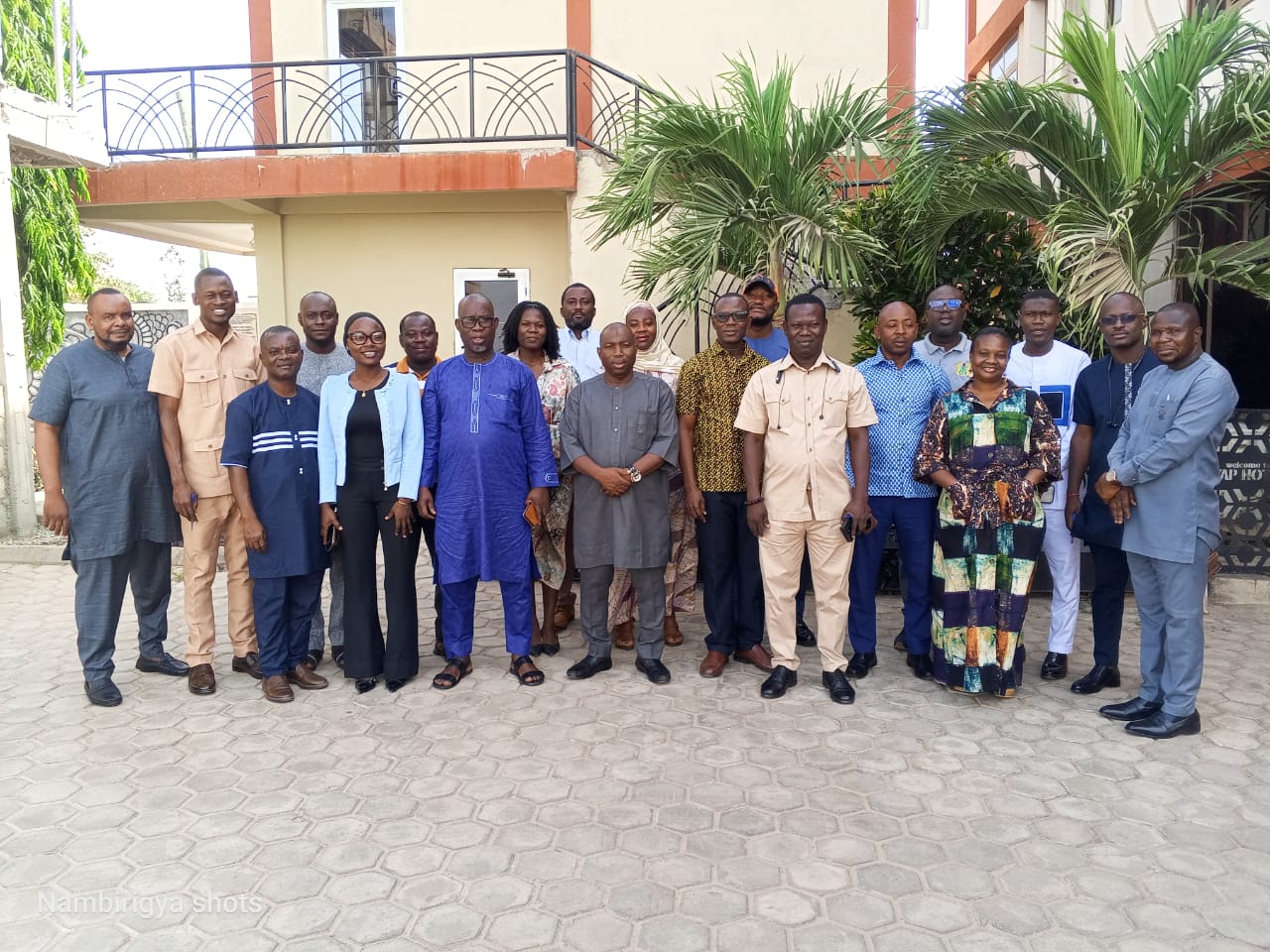
Stakeholders drawn from the North East Region, Northern Region and other partners, including the National Disaster Management Organization (NADMO) and UN agencies, are being hosted in Bolgatanga by the North East Region as part of a Regional Child Protection in Emergency Contingency Planning Workshop.
Organized with support from the United Nations Children’s Fund (UNICEF), the four-day engagement, which started on Tuesday, 24th March to Friday 27th March 2026, is meant to give the stakeholders the opportunity to plan towards ensuring the welfare of children in emergency situations in the wake of the Sahel security crisis that has left many families disintegrated and children displaced.
Child Protection in Emergencies focuses on actions taken by humanitarian actors to protect children from abuse, neglect, exploitation, and violence in crisis situations, such as conflicts or natural disasters. The aim is to prevent harm, respond to acute risks, and strengthen child protection systems to ensure the safety and well-being of children.
The key objectives are to prioritize child protection as part of humanitarian response to all emergencies and strengthen the CPIE preparedness and response planning and implementation in line with the core commitments for children and the child protection minimum standards and good practices from Ghana. It also seeks to provide an informed basis and harmonized approach and, among other things, collaborate with other relevant sectors for child protection services before, during, and beyond emergencies.
Multi-Dimensional Child Poverty in Ghana shows approximately three in four children (73.4 per cent) in Ghana are identified as multi-dimensionally poor, facing at least three deprivations at the same time. The Upper West Region has the highest incidence of poverty in the country: a very low primary completion rate (55% in the Upper East & 53% in the Upper West). Still high prevalence of child marriage and adolescents’ pregnancies
There is still significant violence prevalence: 94% have experienced any form of violent discipline; 21% of children are engaged in hazardous working conditions; 42% of children in the Upper East and 45% of children in the Upper West regions are engaged in child labour. Other issues: poor infrastructures, regular natural disaster flooding, COVID-19
It is on this score that the meeting is being held to map out strategies to improve care for children in emergency situations.
It is expected that two comprehensive Regional Child Protection in Emergency Contingency Plans will be developed. It will lead to enhanced preparedness of stakeholders for potential emergencies, clear roles, coordination, and responsibilities of stakeholders at the sub-national level for an effective response, and improved resilience and risk management by the Regional CPiE WG Department of Children staff in their child protection responsibilities.
Speaking during the opening ceremony, the Northern Regional Director of the Department of Children, Iddrisu Sunday, noted that the risks children face in emergency situations called for strong preparedness.
“These risks bring to the fore the urgent need for strong preparedness and coordinated response mechanisms that prioritise the protection and well-being of children.”
“It is in recognition of this reality that the Ministry, through the Department of Children and with the help of UNICEF and the expertise of the members of the Child Protection in Emergencies Working Group, has initiated the development of a National Child Protection in Emergencies Contingency Plan.”
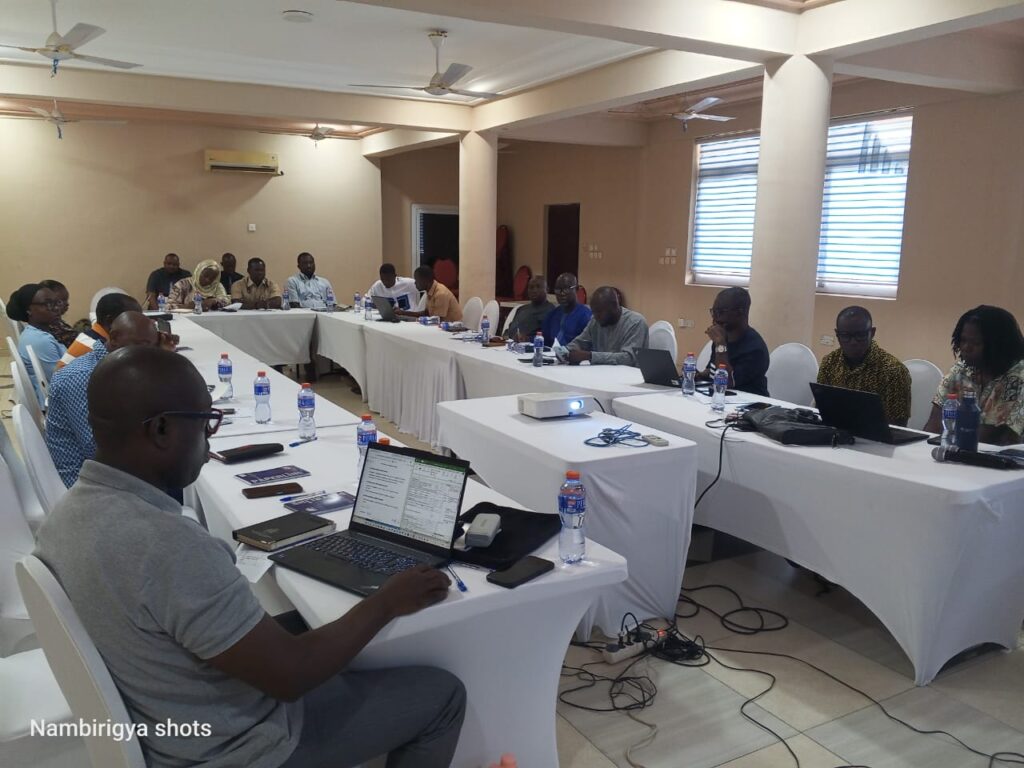
He further called for the strengthening of collaboration. “Equally important is the strengthening of collaboration between institutions responsible for disaster management, social protection, child welfare, and local governance. Protecting children in emergencies requires a coordinated, multi-sectoral approach, and this workshop provides an opportunity to deepen that collaboration.”