
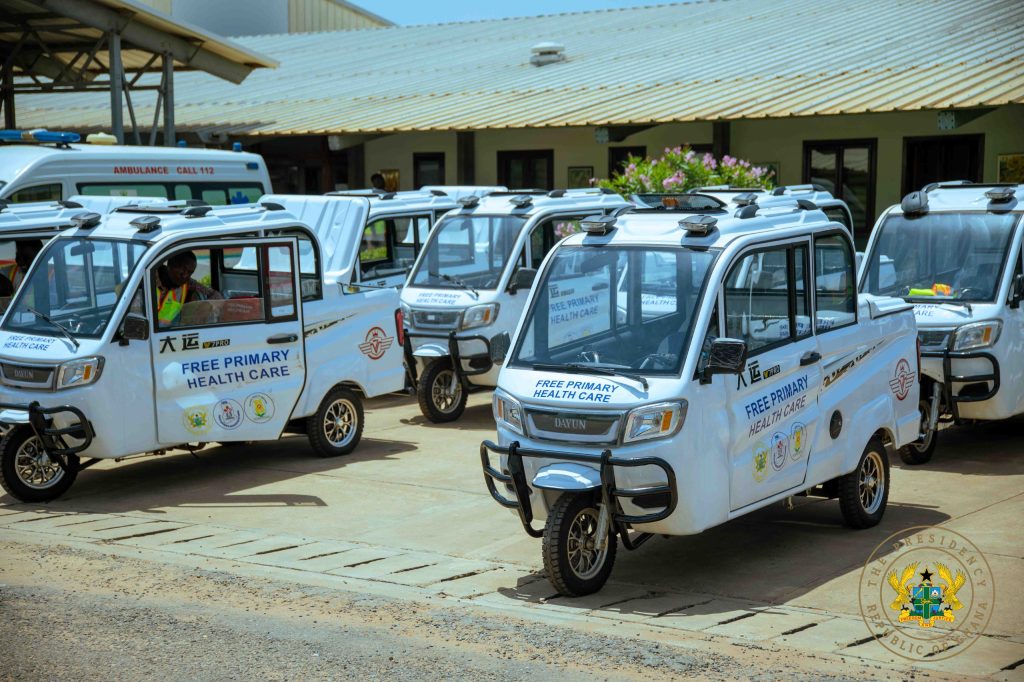
A lecturer at Bolgatanga Technical University has praised Ghana’s free primary healthcare initiative as one of the government’s most impactful policies, while criticizing what he described as persistent development inequalities in the Upper East Region.
Awinesema Abiire said the healthcare program marks a shift toward preventive care and broader access, arguing that previous systems such as the National Health Insurance Scheme focused more on treatment than proactive health services.
“The free primary healthcare initiative is one of the biggest policies of this government,” he said, adding that it allows citizens to access screening services without bureaucratic barriers.
Mr Abiire also weighed in on ongoing project inaugurations across the region, expressing disappointment over what he sees as inadequate investment.
He said many secondary schools lack proper infrastructure, with some institutions marking more than a decade of existence without standard facilities.
According to him, the region continues to fall short in both equitable resource allocation and visible development outcomes.
Mr Abiire urged regional leaders, including the minister and local authorities, to conduct comprehensive audits of development needs and existing projects.
He called for the creation of a clear blueprint to guide infrastructure investment and ensure the region receives its fair share of national resources.
He also encouraged stronger advocacy from political and traditional leaders, suggesting that citizens, particularly the youth, may need to demand accountability if development concerns are not addressed.