Heads of senior high schools in Ghana are warning of a looming feeding crisis as government delays in releasing funds for perishable food items stretch to about six months, a senior education official said.
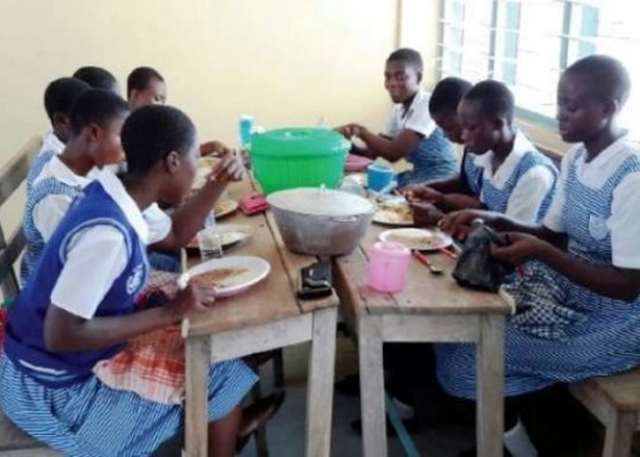
Speaking on Dreamz FM’s State of Our Nation program, Richard Akunbas Ayaabila said while schools have adequate supplies of grains, they lack funds to purchase essential ingredients needed to prepare meals for students.
“In terms of grains and other foodstuffs, they are available in our schools,” Mr Akunbas said. “But those do not turn into food on the table without the perishables.”
He explained that schools rely on regular cash allocations to buy items such as vegetables, salt, firewood and cooking gas, which are not covered under bulk food supply arrangements coordinated by the National Buffer Stock Company and the Ghana Commodity Exchange.
According to Mr Akunbas, payments for these perishables have been in arrears since October, covering roughly six months.
“We have the foodstuff, but we don’t have money to send our matrons to the market,” he said. “You cannot go to market women and ask for tomatoes or okra on credit.”
He noted that while some suppliers of firewood and other items have extended credit in the past, prolonged delays are making it difficult for schools to continue relying on such arrangements.
The situation is particularly severe in schools operating the double-track system, where students are in session for extended periods and demand for meals remains high, he said.
Mr Akunbas added that although the feeding system previously functioned smoothly with funds typically released at the start of each term or shortly after reopening, the delays began toward the end of last year and have persisted.
School authorities are now raising concerns about the welfare of students, warning that feeding could be compromised if funds are not released soon.
“It is not a threat,” Mr Akunbas said, referring to suggestions that schools could shut down. “It is the reality on the ground. If students are not fed properly, it becomes a health and safety issue.”
While school heads do not have the authority to close institutions, he said they may advise the Ghana Education Service if the situation escalates.
Mr Akunbas also dismissed suggestions that schools could rely on farming to supplement feeding, saying such efforts are limited and cannot sustain large student populations year-round.
“Students are here to learn. Farming can only be done on a small scale,” he said.
He urged authorities to urgently release funds to enable schools to continue operating without disruption, especially as more students are expected to return to campus in the coming weeks.
“If nothing significant is done, it will be difficult to keep students in school and not feed them,” Mr Akunbas said.