Ghana’s Traditional Medicine Practice Council is stepping up efforts to regulate and integrate traditional healing into the country’s formal healthcare system, its chief executive said, citing widespread reliance on herbal and alternative medicine.
Dr. Yakubu Tobor Yusuf, CEO of the council under the Ministry of Health, said about 70% of Ghanaians use traditional medicine as a form of primary healthcare, underscoring the need for stronger oversight and policy direction.
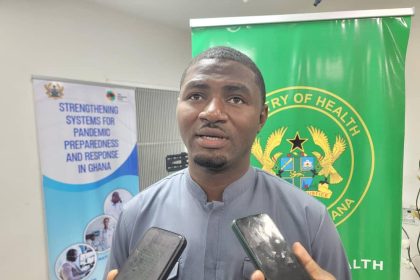
“Government has taken a position to integrate traditional medicine into mainstream healthcare by regulating the sector and building the capacity of practitioners,” Dr Yusuf said in a radio interview.
He noted that traditional medicine has long contributed to modern drug development, with many pharmaceutical products derived from plant-based sources. He cited global recognition, including data from the World Health Organization, to support the sector’s relevance.
Despite its widespread use, Yusuf said regulation remains uneven, particularly in rural areas where traditional birth attendants handle about 32% of childbirth cases.
To address this, the council is decentralizing its operations by establishing regional and district offices to improve registration, monitoring and training of practitioners. The move aims to make licensing more accessible and curb unregulated practices.
“We have over 1,300 practitioners in some regions, but far fewer are captured in our database,” he said, adding that many currently travel long distances to register.
Under Ghanaian law, practicing traditional medicine without a license is a criminal offense punishable by fines or imprisonment. Yusuf said the council will intensify public education campaigns before enforcing compliance.
He emphasized that regulation is not meant to undermine traditional knowledge but to ensure safety, improve standards and protect public health.