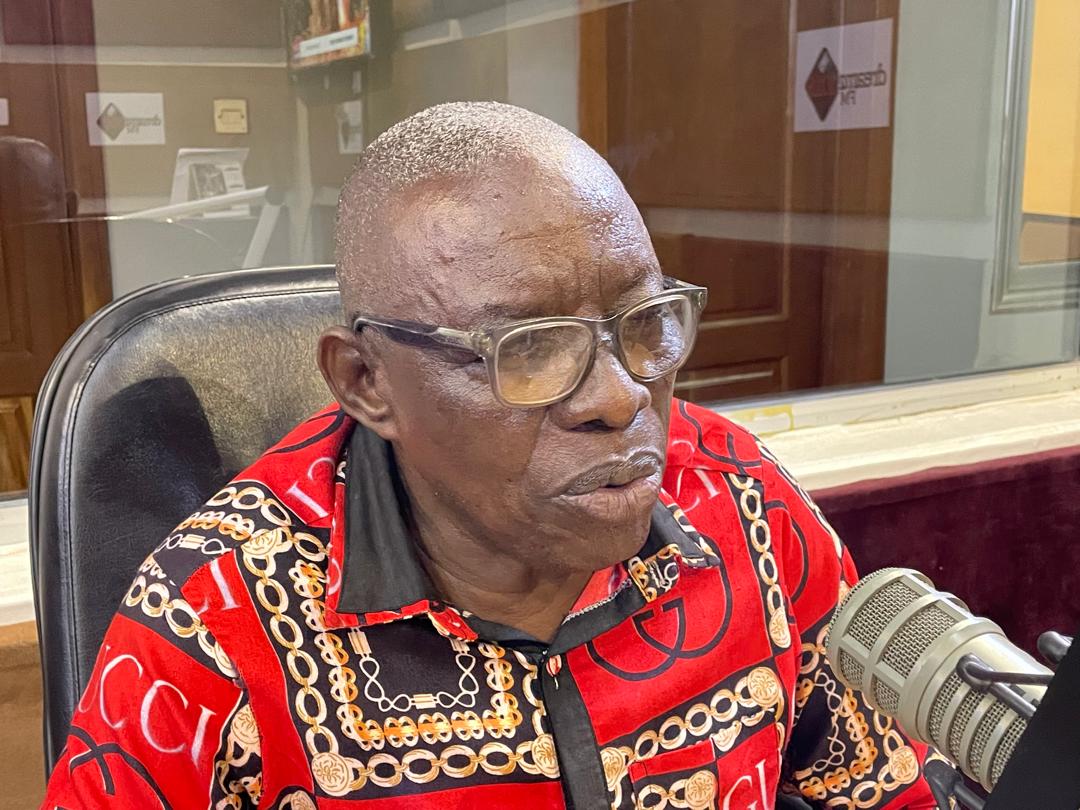
University lecturer and former Upper East Regional Minister Professor Avea Nsoh has challenged the perception that private schools in Ghana consistently outperform public schools, arguing that many private institutions prioritize profit over quality education.
Speaking in a phone interview on Dreamz FM’s “Breakfast Today” hosted by James Nana Tsiquaye, Nsoh said many private schools rely heavily on untrained teachers because proprietors seek cheaper labor.
According to him, employing licensed and professionally trained teachers would significantly increase operational costs for private schools.
“Labour is the most expensive component of every business organization,” he said. “If they employ qualified teachers, they will have to pay them what they deserve.”
Nsoh argued that many private schools create the impression of academic excellence by focusing narrowly on examination performance rather than holistic education.
“They are resource-oriented and money-focused,” he said.
He further alleged that some schools manipulate examination systems or concentrate resources on selected students to maintain high pass rates in national examinations.
“Many of them just try to create an impression that they are doing well so people can bring their children and they can get money,” he stated.
Despite claims that private schools perform better academically, Nsoh insisted public schools provide broader educational development for students.
“In the public schools, they are more about training the person as a whole,” he said.
He noted that public schools generally adhere more closely to the national curriculum and focus on character development alongside academic instruction.
The former regional minister also criticized the growing commercialization of education, saying some institutions prioritize revenue generation over educational standards.
He expressed concern that even tertiary institutions were increasingly compromising standards because of competition for student enrollment and financial pressures.
Nsoh said the country needed stronger regulation of private educational institutions and more serious investment in teacher recruitment and training.
He maintained that government should focus on practical employment solutions for trained graduates instead of relying solely on long-term economic programs.
“We don’t need magic,” he said. “We need creative and no-nonsense policies.”