
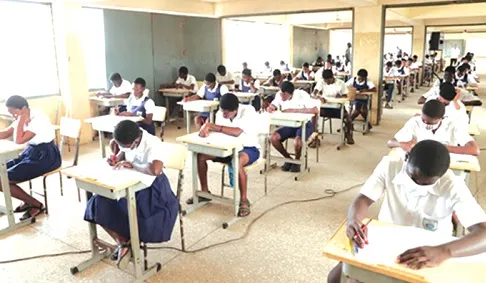
The Upper East Regional Chairman of the National Association of Graduate Teachers, John Akunze, has criticized the treatment and compensation of teachers supervising national examinations, warning that many educators are risking their professional integrity for little reward.
Speaking on Dreamz FM’s Dreamz News, Akunze stated that supervision of examinations organized by the West African Examinations Council is not compulsory for teachers.
“Teachers are supposed to prepare students for examination and it is the duty of WAEC to set the questions and get people to supervise,” he said.
According to him, teachers who choose to supervise examinations must be prepared to face strict sanctions if implicated in malpractice.
He noted that invigilators risk losing their teaching licenses, certificates and employment if found guilty of aiding examination fraud.
“They can seize your certificate, you can be sacked from your work,” he warned.
Akunze questioned why teachers continue to supervise examinations despite the risks, describing the allowances paid to invigilators as inadequate and delayed.
“How much will they give you?” he asked. “The money itself will not even come immediately after the supervision. It will come the following year.”
He further claimed that some teachers who attempted to enforce strict supervision have faced attacks from students during examinations.
According to him, reports of invigilators being assaulted during examinations are becoming increasingly common and have discouraged many teachers from participating in supervision exercises.
“It’s unfortunate that this is happening,” he said. “Nothing good comes easy.”
The NAGRAT chairman urged teachers who decide to supervise examinations to remain morally upright and avoid compromising their integrity.
He also called on authorities to improve conditions of service for teachers involved in examination supervision and strengthen enforcement measures against malpractice.
Akunze maintained that Ghana’s education system would continue to suffer reputational damage if examination fraud is not decisively addressed.