
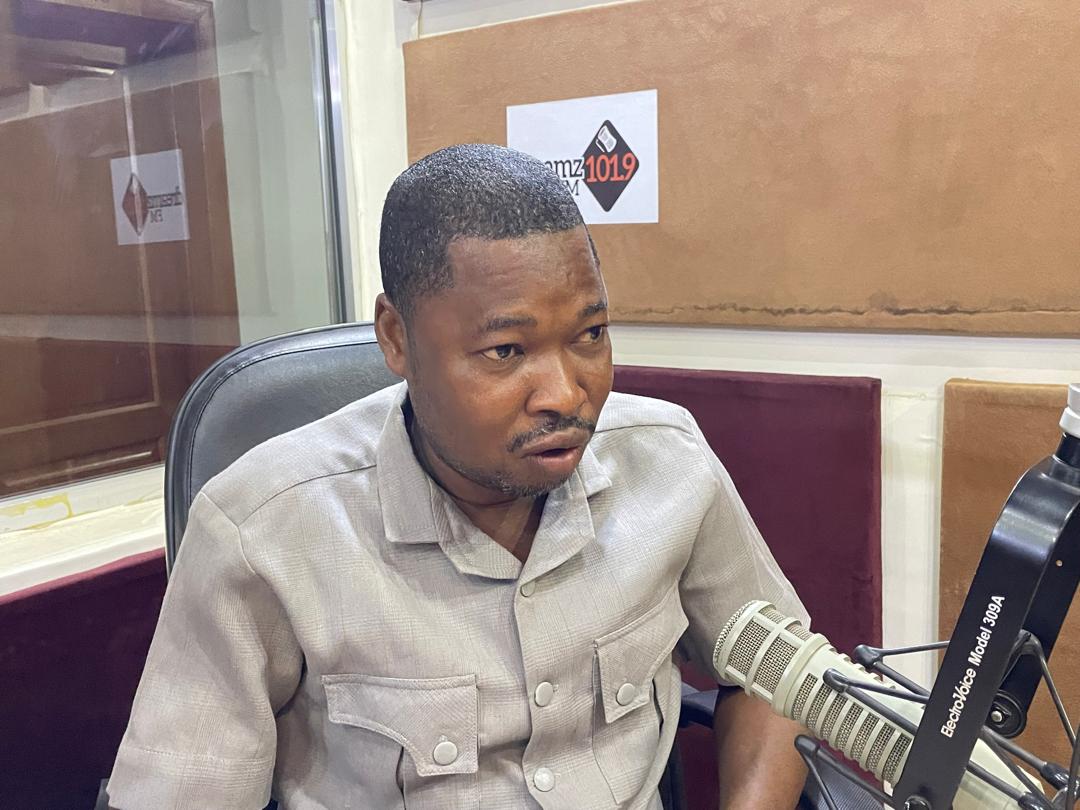
A member of the governing National Democratic Congress communications team has defended the government’s proposed 24-hour economy initiative, saying the establishment of modern markets across districts forms part of a broader strategy to transform Ghana’s economy and create jobs.
Speaking on Dreamz FM’s breakfast program, Michael Nangena said the government had begun handing over construction sites for 24-hour economy markets in parts of the Upper East Region, including Bolgatanga, Kasena-Nankana and Zebilla.
According to him, the Talensi market project is expected to begin later this week.
Nangena said the markets would include additional facilities such as clinics, police stations, fire stations, schools and parking spaces.
“This market is not only about stalls. It comes with clinics, police stations, schools and other amenities to support economic activities around the clock,” he said.
He explained that the policy was designed to re-engineer the economy by encouraging economic activity beyond traditional working hours.
Nangena dismissed concerns about whether residents would patronize markets at night, arguing that similar doubts were raised before the relocation of the timber market from Bolgatanga to Zuarungu.
“People doubted the timber market relocation at first, but today the market is functioning well,” he said.
He added that the markets would not operate in isolation but would be linked to other sectors under the broader 24-hour economy policy, including transportation and security services.
According to him, the government has already begun implementing supporting measures, including improving public transport systems and expanding street lighting.
Nangena also accused the opposition New Patriotic Party of implementing the Free Senior High School policy without a proper guiding framework.
He said the current administration was taking a more deliberate approach by developing policy documents before implementation.
The NDC communicator said funding for the market projects had already been earmarked under allocations from the District Assemblies Common Fund.
He described the initiative as one of the government’s major legacy projects aimed at expanding economic opportunities nationwide.