The Widows and Orphans Movement (WOM), is exploring more sustainable ways of improving access to land for vulnerable people with a Land Trust for the Vulnerable project.
Titled “Tindaana Taredoma Va’am Ba’are” which translates to “Tindaana’s Land Trust for the Vulnerable.” The two-year project will pay attention to land governance and climate resilience issues within the target communities.
It will be implemented in five communities in the Nabdam District including Dasabligo, Nyogbre, Gane-Asongo, Zanlerigu, and Kotintaabig with the hope of achieving land equity. The project is being implemented by Widows and Orphans Movement in partnership with West Africa Network for
Peacebuilding (WANEP) and the Robert Bosch Stiftung (RBS) under the Sustainable Futures: Navigating the Intersection of Land Use, Climate Change and Peace building.
The project seeks to strengthen community resilience to climate change and address interconnected challenges affecting rural communities. It also recognizes the harmful effects of the increasing use of weedicides and fossil-fuel-based fertilizers on soil, water, and air quality. Through a feminist agroecology framework, the project will support climate resilience, community peacebuilding, and improved land access and control for widows and other marginalized groups.
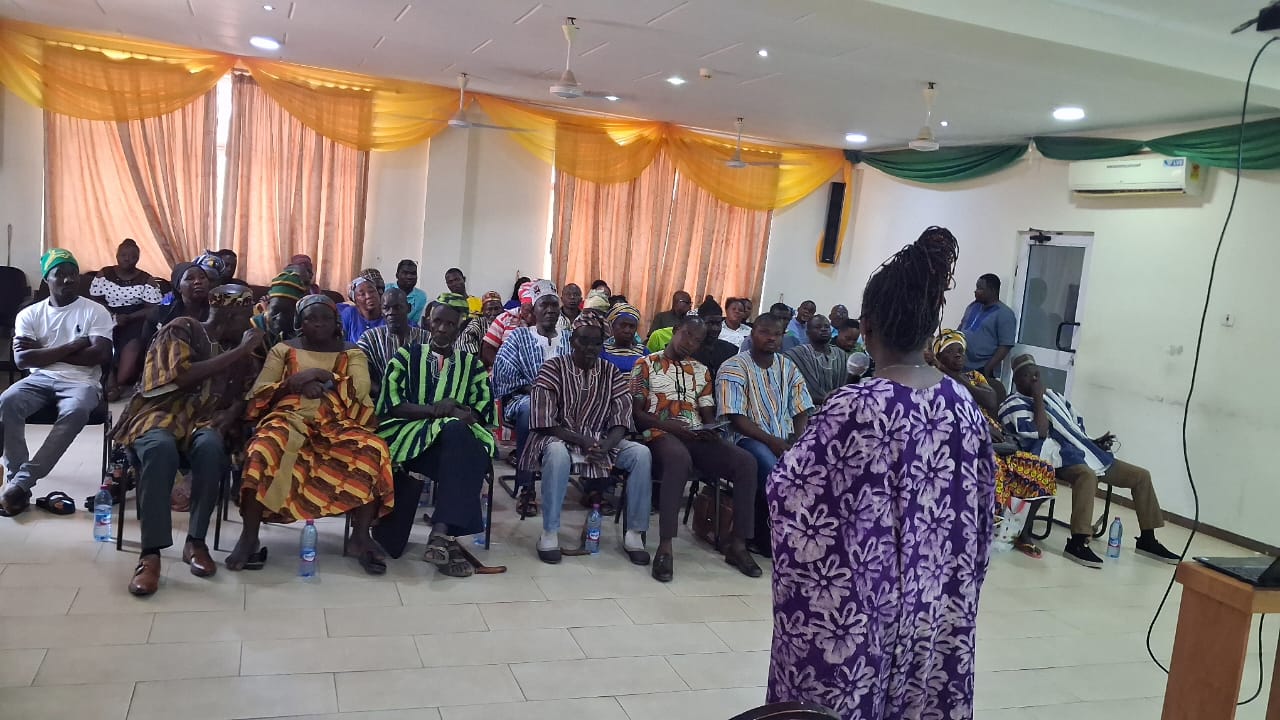
Speaking to the media on the sidelines of an inception meeting organized to engage community level leaders and stakeholders, the Executive Director of Widows and Orphans Movement, Fatima Abigail Abdulai, noted that there is the need to find sustainable ways of promoting women’s access and control over land and natural resources.
The organization also hopes to minimize conflicts that emerge as a result of the use of land for various activities.
She indicated that despite the passage of the land act in 2020, very little has been done to promote land access to landless people.
“Over the years, we have come to the realization that we need to find sustainable ways of promoting women’s access and control over land and other natural resources. Since the land act was passed in 2020, much hasn’t been done regarding the gender provisions and some of the recommendations that promote land access to landless people. So, we are going implement a 2-year project that will pilot the land trust system that has been mentioned in the act.” She stated.
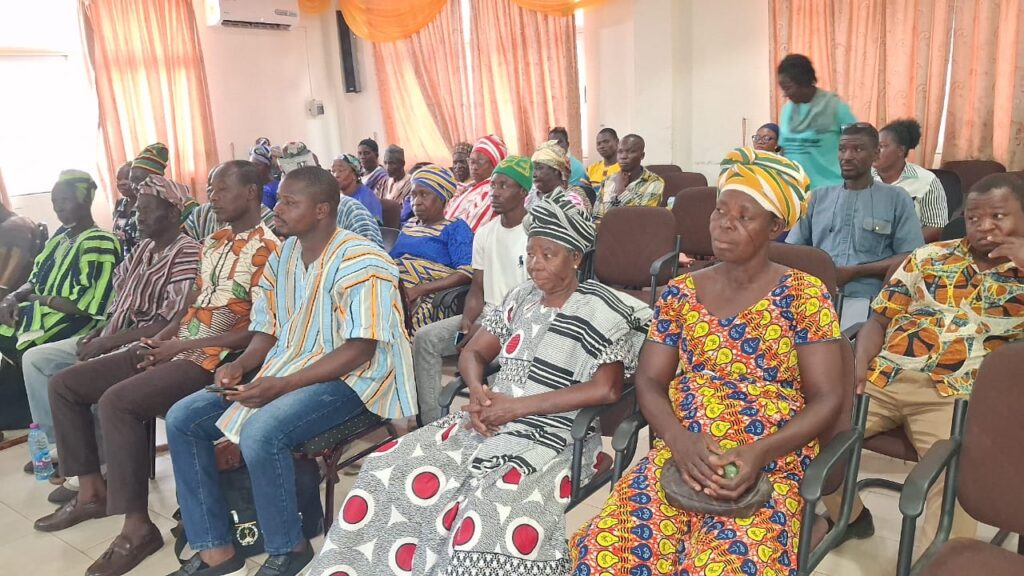
Madam Fati described the land tenure system in the Upper East Region as a challenge in ensuring access to land. She adds that the situation breeds inequality in accessing land.