
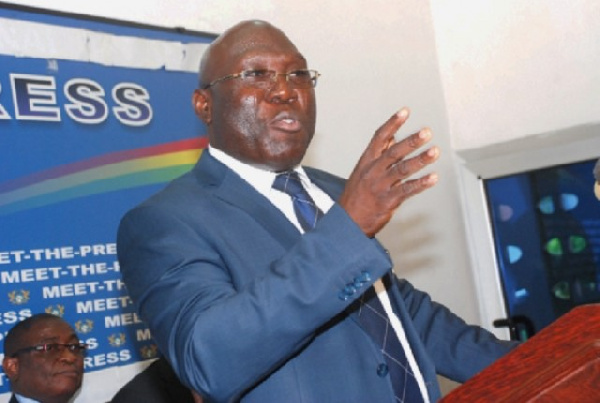
Former Tamale Central Member of Parliament, Alhaji Inusah Fuseini, has defended the parliamentary process that led to the passage of the Human Sexual Rights and Family Values Bill, insisting that Parliament acted within its constitutional mandate.
Speaking during an interview on Dreamz FM in Bolgatanga, Mr. Fuseini said he was surprised by comments attributed to the Speaker of Parliament indicating dissatisfaction with the speed at which the controversial bill was passed.
According to him, the bill followed the standard legislative process, beginning with committee scrutiny, stakeholder consultations, parliamentary debate, and clause-by-clause consideration before reaching the final stage.
“The law-making process is regulated by both the Constitution and the Standing Orders of Parliament. Every bill must go through the necessary stages before it can become law,” he explained.
Mr. Fuseini noted that because the bill had been before Parliament for a considerable period, many lawmakers were already familiar with its provisions. He argued that where a bill attracts few amendments, Parliament can complete the consideration stage and proceed to the third reading within a relatively short period.
“If the bill does not suffer many amendments, Parliament can conclude the clause-by-clause consideration and advertise it for third reading on the same day,” he stated.
The former lawmaker further explained that the Speaker’s role is primarily procedural and that decisions regarding the progress of legislation are ultimately determined by Members of Parliament.
“The Speaker is not a member of Parliament. While he presides over proceedings, it is Parliament itself that decides whether to proceed with a bill,” he said.
On claims that Parliament lacked the required quorum during the passage of the bill, Mr. Fuseini noted that such objections should have been raised during proceedings. In the absence of any formal challenge, the decision of the House remains valid.
He maintained that the bill’s passage was consistent with parliamentary procedures and emphasized that any further action now rests with the President, who must decide whether to grant assent.
The Human Sexual Rights and Family Values Bill remains one of the most debated legislative proposals in Ghana’s recent history and continues to generate significant public and political discussion.