
Youth and civil society leaders have called on young people and women to actively prepare themselves for leadership roles as Ghana considers reforms to its local governance system.
The call was made during a discussion on local governance reforms and affirmative action organized by RISE Ghana through its HEARD II Project.
Upper East Regional Coordinator of Activista Ghana, Nicholas Azebire, said young people must take a keen interest in governance issues and position themselves for leadership opportunities.
He encouraged the youth to acquire education, develop skills and participate in community activities to build credibility and experience.
“You can’t expect support if you have not shown interest in leadership yourself,” Mr Azebire said. “Young people must prepare themselves and start from the community level if they want to influence governance.”
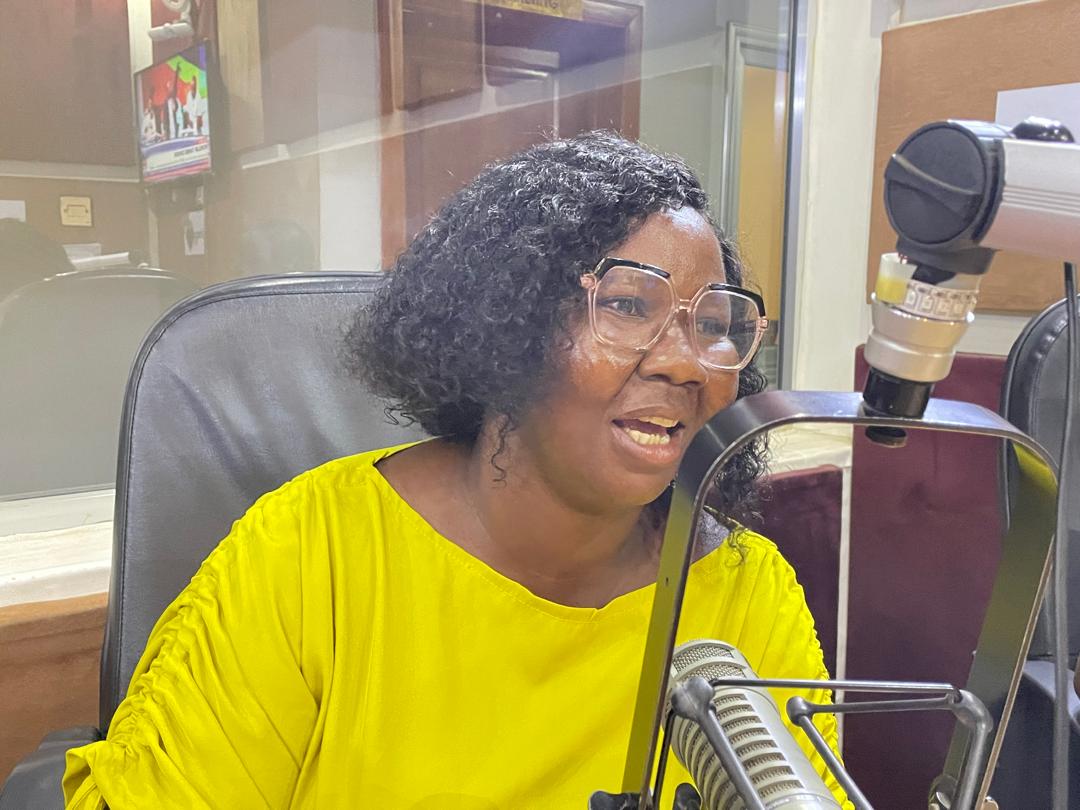
Majority Chief Whip of the Bolgatanga Municipal Youth Parliament, Georgina Anyane, urged women to overcome fear and societal barriers and contest for leadership positions.
She identified cultural stereotypes, lack of support and jealousy among women as some of the obstacles preventing greater female participation in politics and governance.
“We should leave our comfort zones and support one another. If a woman is contesting for a position, other women should rally behind her,” Madam Anyane said.
Madam Anyane, who disclosed her ambition to become a Member of Parliament in the future, said family and societal support are crucial in helping women pursue leadership roles.
Meanwhile, Mr Kaguna called on government and political parties to ensure that ongoing local governance reforms are consistent with the Affirmative Action Act.
He said political parties should create opportunities for women, youth and persons with disabilities within their own structures rather than relying solely on government appointments.
The speakers emphasized that meaningful development can only be achieved when governance systems reflect the diversity of the population and include voices that have traditionally been marginalized.