
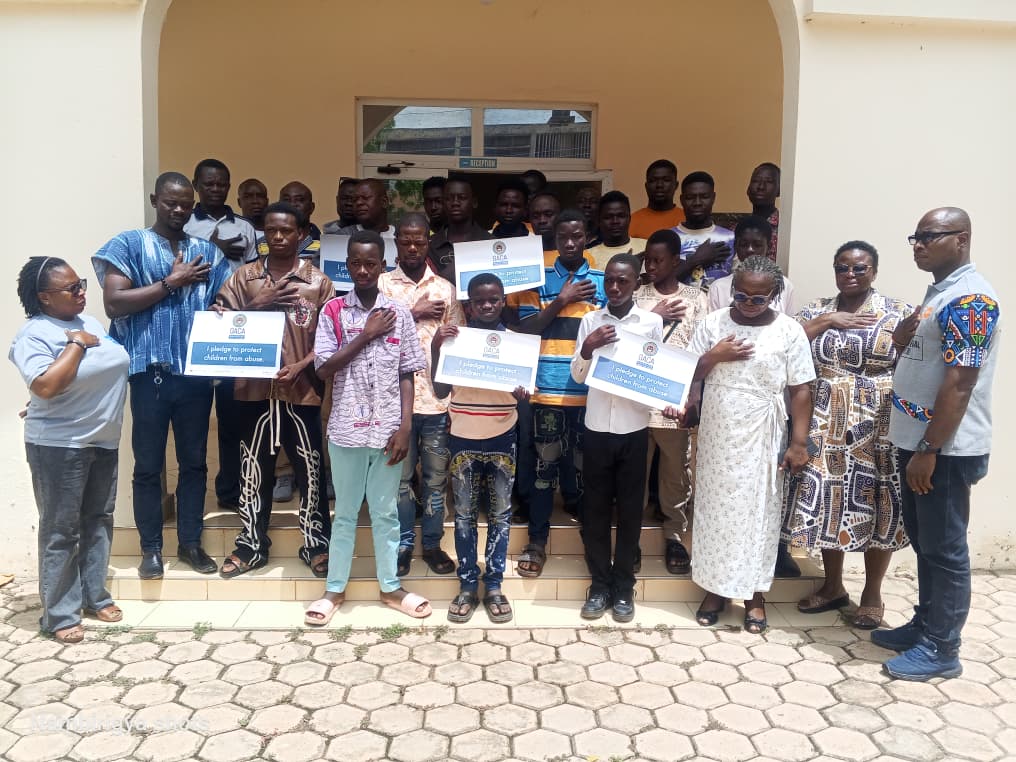
The Department of Gender in the Upper East Region, with support from UNFPA, has engaged 60 men and boys from the Kassena-Nankana West and Nabdam Districts in community dialogue sessions aimed at exploring ways to end gender-based violence and harmful practices.
These harmful practices include child marriage and female genital mutilation (FGM).
The dialogue sessions seek to promote community-level advocacy for the prevention of and timely response to gender-based violence.
They are aimed at promoting dignity, equality, and protection for women and girls through the engagement of men and boys as agents of change.
During the sessions, participants were educated on the effects of gender-based violence, including physical injuries, mental health challenges, reduced productivity, family breakdown, and, in some cases, death.
They were also encouraged to assess the impact of child marriage. Both the men and boys agreed that the practice robs girls of their future, as many are forced to drop out of school, thereby perpetuating poverty.
According to the Department of Gender, men and boys influence family and community decisions, can challenge harmful social norms and stereotypes, and are capable of serving as advocates and positive role models.
Speaking to the media after the engagements in the two districts, the Upper East Regional Director of the Department of Gender, James Twene, explained that men and boys have a critical role to play in ending various forms of abuse because the majority of abuse cases are perpetrated by men and boys.
He therefore urged men to play an active role in ending abuse and promoting the safety and well-being of women and girls.
“We are having a dialogue session with men and boys in some selected communities in Nabdam district and Kassena Nankana West, we are engaging 60 of them, 30 from each district, to take them through gender-based violence, including child marriage and FGM, which are all harmful practices that women and girls are experiencing in our communities. We’ve seen that men and boys have a key role to play because we expect them to be an agent of change in the communities to help us address gender-based violence. Over the years, we have had several engagements with women, with girls, and some community leaders.
But we’ve seen that when it comes to child marriage and these forms of abuse, it’s being perpetrated by men. So, now we want them to take center stage in solving the problems.” He stated.
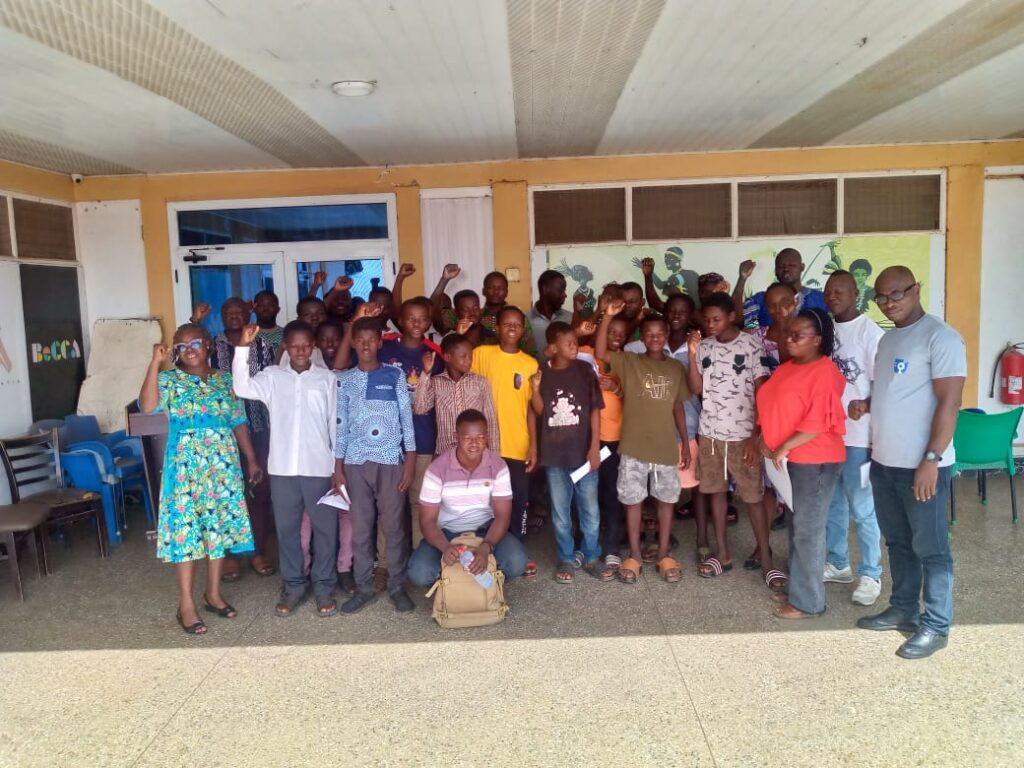
Lawrence Agengre, Assembly Member for the Kongo East Electoral Area, admitted that many men commit various forms of abuse and have a key role to play in ending such practices within their communities.
“This engagement is very important because if you look at it, many of these things are done by men so as we have come, we are learning new ways of solving and preventing these issues.” He stated.