A recent High Court ruling requiring proof of authorization from the Attorney General before prosecutions can proceed has cast uncertainty over the powers of the Office of the Special Prosecutor (OSP), a constitutional lawyer has said.
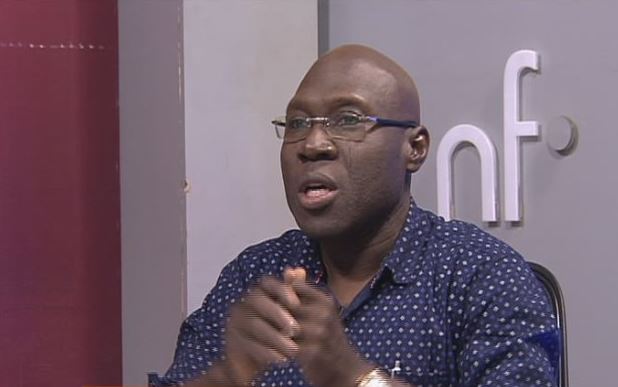
Speaking on the “State of Our Nation” program, former lawmaker Alhaji Inusah Fuseini said the decision could slow down corruption-related prosecutions and create confusion across the judicial system.
“The ruling impedes, slows down and disorients the Office of the Special Prosecutor,” Mr Fuseini said, noting that defense lawyers in other courts could raise similar objections, potentially delaying cases nationwide.
The High Court ruled that the OSP must show authorization from the Attorney General before prosecuting cases. However, Mr Fuseini explained that because Ghana’s High Courts are courts of co-ordinate jurisdiction, other courts may still allow prosecutions to proceed unless similar objections are raised.
The issue is further complicated by a pending constitutional interpretation at the Supreme Court, which is expected to clarify whether the OSP can exercise prosecutorial authority independently under the law.
Mr Fuseini said the uncertainty surrounding the interpretation of Article 88 of the Constitution and provisions of the Special Prosecutor Act has created “a cloud” over the office’s operations.
While some have described the ruling as a setback in the fight against corruption, Mr Fuseini disagreed, saying it reflects legal challenges being used by accused persons.
“I don’t see corruption fighting back per se,” he said. “I see accused persons taking advantage of legal ambiguities to challenge prosecutions.”
He added that the situation highlights structural weaknesses in the law establishing the OSP, which lawmakers knew was not perfect when it was passed.