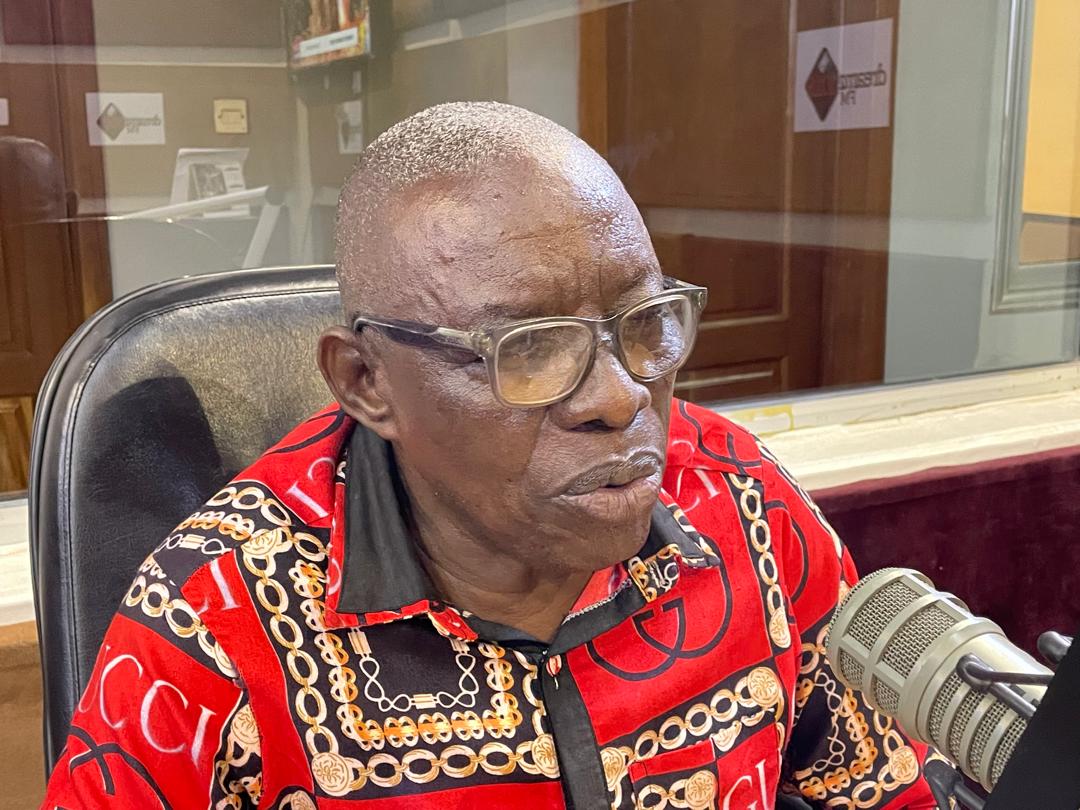
Former Upper East Regional Minister Professor Avea Nsoh has attributed the growing number of unqualified teachers in Ghana’s classrooms to weak institutional systems, political interference and poor enforcement of professional standards.
Speaking in a phone interview on Dreamz FM’s Breakfast Today with host James Nana Tsiquaye, the university lecturer said he was not surprised by reports from the National Teaching Council (NTC) that many teachers in schools remain unqualified.
“Our system is not really strict in doing some things,” Prof. Nsoh said. “People are pushed into the system through the back door because politicians and other influential people interfere.”
The NTC has recently intensified efforts to ensure teachers without the required qualifications undergo professional training and licensing.
Prof. Nsoh said Ghana’s educational challenges are rooted in broader societal and governance failures.
“We have leadership structures, but they are not putting in place measures that ensure things are done well,” he said. “There must be checks and balances.”
According to him, instability in public institutions also weakens regulation, as changes in government often lead to changes in leadership at institutions such as the NTC.
He argued that headteachers and school administrators should have long identified and addressed the presence of unqualified teachers in classrooms.
“The primary school headteacher or secondary school headmaster should know there are unqualified people there and ensure they are trained because it does not help the students,” he said.
Prof. Nsoh explained that qualified teachers are individuals who undergo professional teacher training at colleges of education or universities offering education programs.
He said such training equips teachers with classroom management skills, learner assessment techniques and the ability to identify students with special learning needs.
“A professional teacher should be able to identify a child with hearing or sight problems and support them appropriately,” he said.
He further distinguished between academic qualification and professional licensing, describing the NTC licensing process as a regulatory mechanism to confirm that teachers meet national standards.
“Licensing is to ensure that what you claim to have attained is actually true,” he said.
Prof. Nsoh also criticized some private schools for employing untrained teachers despite the availability of qualified graduates.
“If you do not have the resources to employ trained teachers, then do not set up a school,” he said.
He said many private schools prioritize profit over educational standards, while trained teachers remain unemployed.
The lecturer called for stronger enforcement of educational regulations and consistent professional development for teachers already in service.
“The system must work,” he said. “Otherwise, we will continue to compromise the quality of education for our children.”