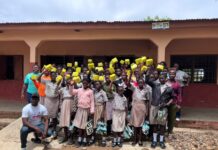
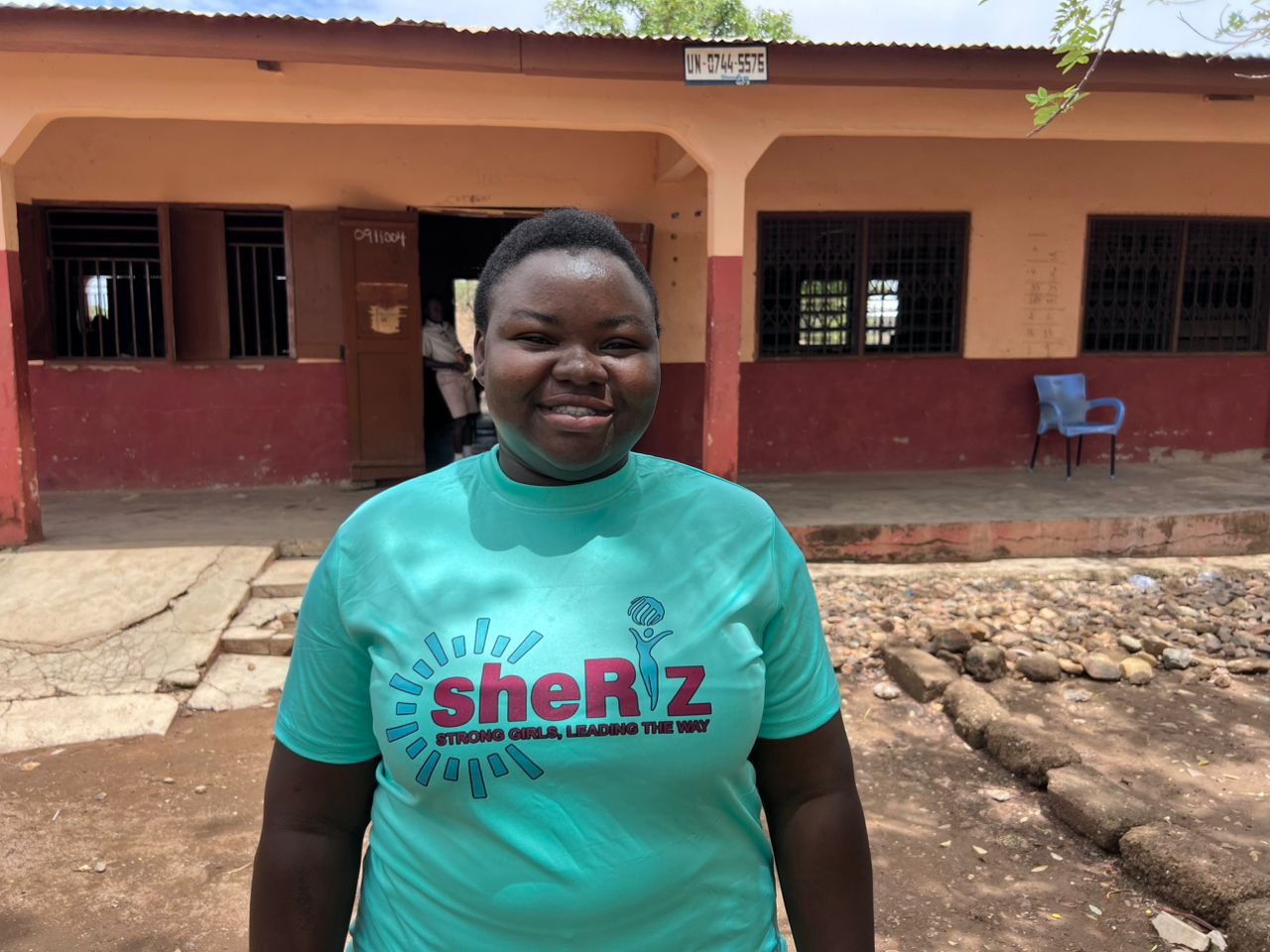
A team member of SheRiz Foundation and youth activist, Jennifer Anapoka Agamolga, has called for intensified menstrual health education in rural communities following an outreach program at Zanlerigu Junior High School in the Nabdam District of the Upper East Region.
Agamolga made the call during a menstrual hygiene education session organized by the foundation ahead of Menstrual Hygiene Day 2026.
She said many girls in the community appeared shy and uncomfortable discussing menstruation because of cultural perceptions and limited education on reproductive health.
“What I realized is that most of the girls here are a bit timid to speak about these issues,” she said. “For them to even express that they are going through this phase of growth was a struggle because it looked as though it was something to be ashamed of.”
According to her, the foundation encouraged the girls to see menstruation as a normal biological process rather than a taboo.
She also revealed that some girls disclosed using pieces of cloth and rags during their menstrual periods because they lacked access to sanitary products and proper menstrual hygiene knowledge.
“You would have heard some of them talk about the use of rags,” she said. “It’s an issue because they don’t really have the knowledge on how to manage their periods very well.”
Agamolga said the foundation plans to return to the school to provide more extensive education on menstruation, reproductive health and personal hygiene.
She noted that many young girls require accurate information to help them manage puberty and avoid teenage pregnancies.
The youth activist further appealed to parents to openly discuss menstruation with their daughters and stop treating the subject as taboo.
“Let’s not look at menstruation as a taboo to be spoken about at home,” she said. “It’s something very natural.”
According to her, some girls shared experiences of neglect from parents who refused to buy sanitary products for them.
She described such attitudes as harmful and urged parents to support their daughters during menstruation.
“You brought a girl into the world. She didn’t choose to be a girl, neither did she choose to menstruate,” Agamolga said.
She stressed that parents have a responsibility to educate and support girls before they begin menstruation to help them stay healthy, confident and focused on their education.
Meanwhile, another team member of SheRiz Foundation, Freda Nsobila, said the outreach formed part of efforts by the organization and its founder, Teni Sarah Babohima, to support girls in deprived communities.
Nsobila said the foundation selected Zanlerigu JHS because many girls in the area struggle to access sanitary products.
“We know this part of the community is difficult for some of the girls to even get pads at the end of the month,” she said.
She added that the foundation distributed sanitary pads to the students and expressed appreciation to sponsors and supporters who contributed to the initiative.