
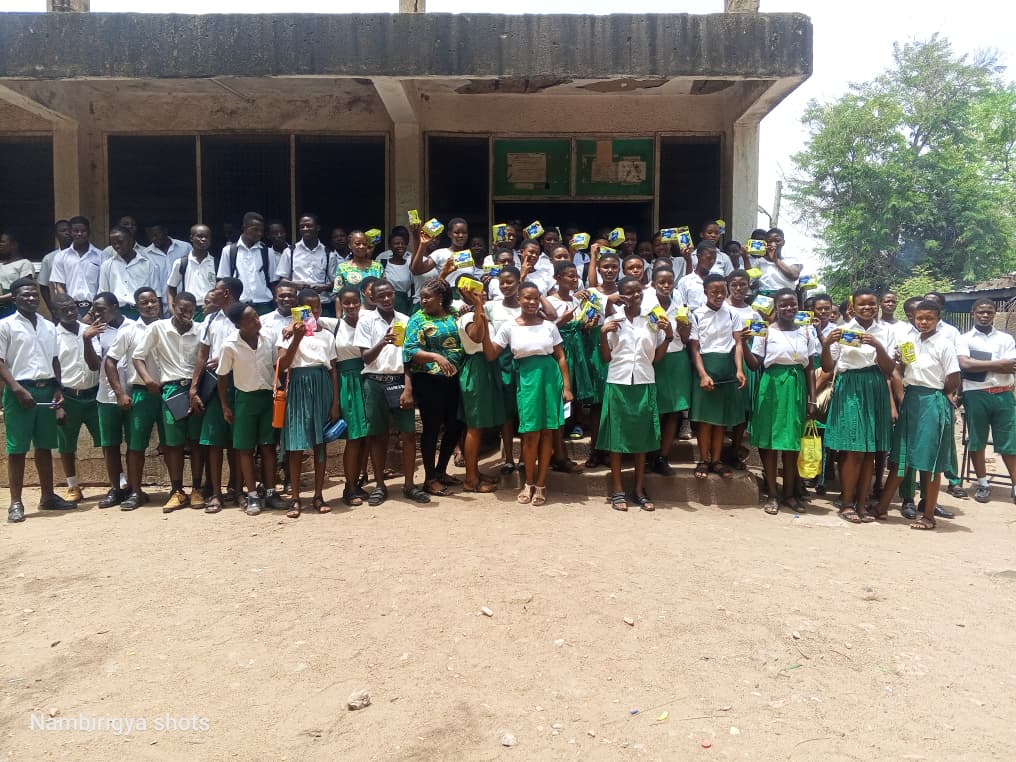
The National Association of Graduate Teachers (NAGRAT) has marked this year’s Menstrual Hygiene Day with a donation of sanitary pads to students of Zamse Senior High Technical School (ZAMSTECH) in Bolgatanga.
The association considers the day an important occasion worth celebrating and therefore used the opportunity to engage students on proper hygiene practices.
World Menstrual Hygiene Day is celebrated every year on May 28.
The day is set aside to create awareness about menstrual health and dignity, while also addressing misconceptions surrounding menstruation.
It was on this basis that NAGRAT in the Upper East Region decided to mark the occasion by sensitizing students in order to empower young girls and help them become confident and healthy.
As part of efforts to address stigma, the association involved boys during the sensitization programme so they could understand the critical role they can play in ensuring that female colleagues are not stigmatized because of menstruation.
This year’s Menstrual Hygiene Day is being observed under the theme: “Together for a Period-Friendly World.”
Speaking to the media after the engagement, the Upper East Regional Chairman of NAGRAT, John Akunzebe, explained that the exercise, which will become an annual activity, is aimed at inspiring positive change in society and building a period-friendly school environment where girls can feel comfortable.
“We realized that there’s a stigma as far as menstrual hygiene is concerned and we have also seen that over the years, some children don’t go to school when they are menstruating. So, this time around we have decided to promote menstrual hygiene and ensure there will be an friendly environment for all. That’s why we included the boys in the education. This year we chose ZAMSETECH and next year, will go to a girls school.” He stated.
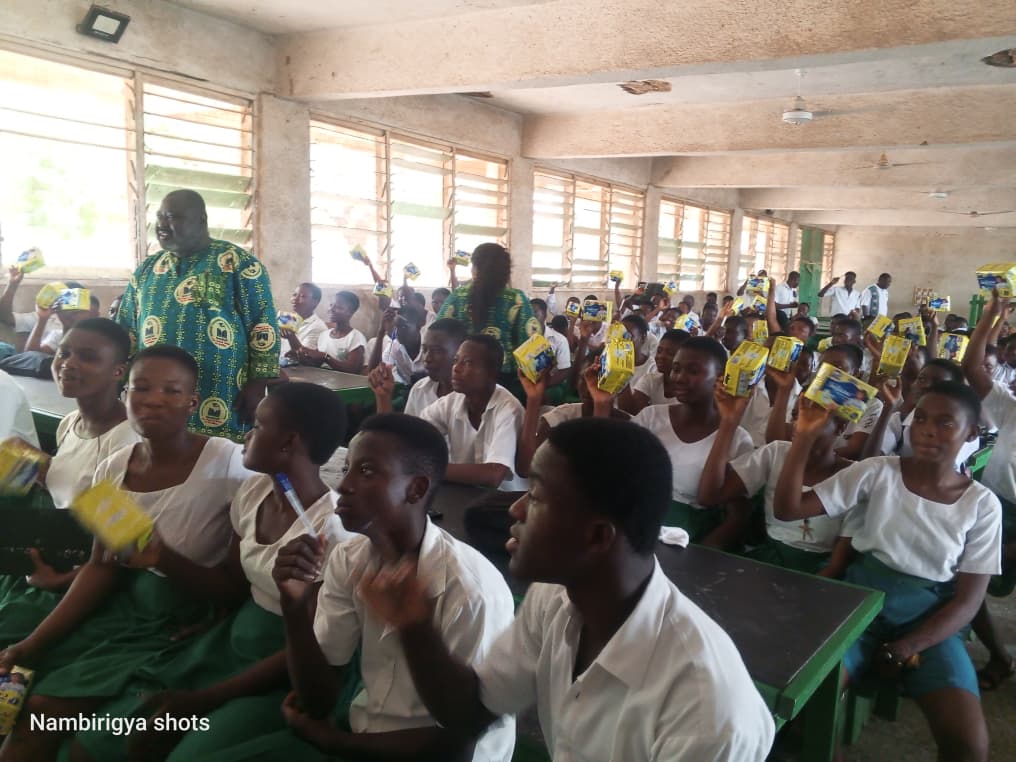
On her part, the Regional Gender Desk Coordinator of NAGRAT, Scholastic Achiisah, explained that the association hopes to break the silence surrounding menstruation.
She noted that boys must be involved in efforts to address the stigmatization associated with menstruation.
Madam Achiisah also urged parents to support girls in understanding menstruation better and to make sanitary pads readily available to them.