AfriKids has intensified efforts to combat menstrual poverty and improve girls’ education in the Builsa South District, using this year’s World Menstrual Hygiene Day celebrations to rally support from communities, traditional leaders and development partners.
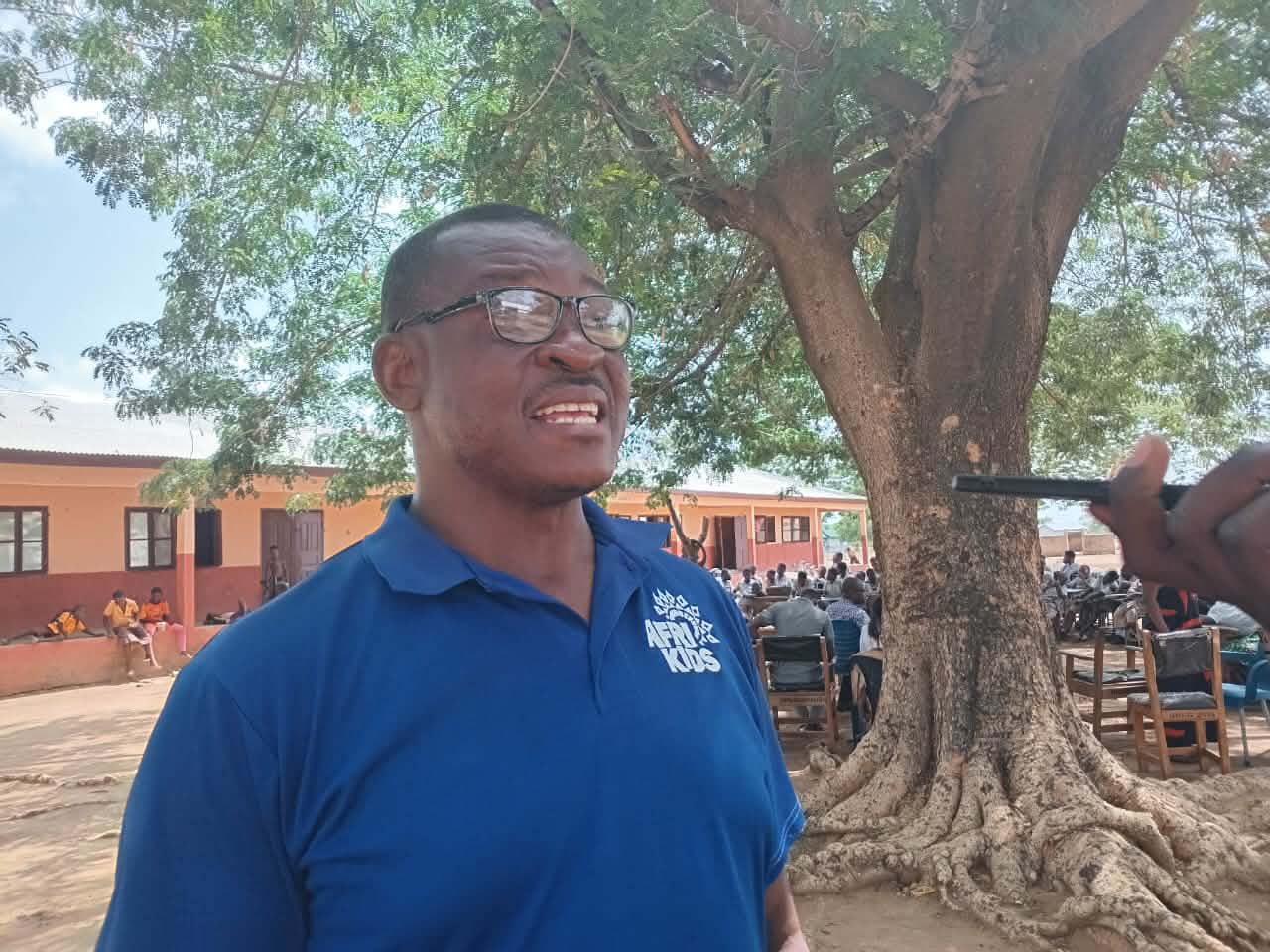
Speaking at Fumbisi Preparatory JHS after a series of activities marking World Menstrual Hygiene Day, Raymond Ayinne, Campaigns and Advocacy Manager at AfriKids, said menstrual hygiene remains a major challenge affecting girls’ school attendance and academic progress in northern Ghana.
The observance followed a radio discussion on May 28 that featured representatives from the Ghana Health Service, the Ghana Education Service and Blessing Akperi, a young adolescent ambassador championing reproductive health education among students.
“Blessing is promoting adolescent reproductive health with a particular focus on issues around gender, menstrual poverty and menstrual hygiene across youth groups in schools,” Ayinne said.
He said the organization also engaged traditional authorities at the Fumbisi Chief Palace to support campaigns aimed at improving girls’ access to safe menstrual products.
According to Ayinne, many girls continue to face difficulties attending school during their menstrual periods because their families cannot afford sanitary pads.
“Some girls see menstruation as something that could make them stop schooling, especially when there is severe period poverty in the family,” he said.
While acknowledging government efforts to distribute menstrual pads, Ayinne said supplies reaching less-endowed districts remain inadequate and called for greater involvement from parents and communities.
“We are trying to raise awareness among stakeholders that this should be a collective effort. Government is doing its bit, but families and parents must also be intentional about providing menstrual products for their girls,” he said.
Ayinne said AfriKids is working to build girls’ confidence and resilience through awareness campaigns, mentorship and opportunities that enable them to remain focused on their education.
He highlighted the organization’s One Million Smiles initiative, which seeks to improve educational outcomes, reduce school dropout rates and encourage girls to pursue science, technology, engineering and mathematics (STEM) education.
“It is exciting to see girls who participated in our STEM clubs transition into subjects such as robotics, aviation and biomedical sciences at the senior high school level,” he said.
Ayinne expressed optimism that more girls from the region would pursue careers in medicine, engineering, technology and other fields traditionally dominated by men.
He praised Blessing’s contribution to the menstrual hygiene campaign, describing her participation as “phenomenal.”
“We believe she will inspire many more girls to look to the future with hope and pursue whatever they want to do with their lives,” he said.
Beyond menstrual health advocacy, Ayinne outlined a range of AfriKids interventions across education, health, child protection and climate resilience.
He said the organization has provided in-service training for kindergarten teachers, strengthened Parent-Teacher Associations and School Management Committees, and introduced school open days to encourage community participation in education.
AfriKids has also established libraries in 60 schools across three districts with support from UK-based Book Aid, while mobile reading programs deliver books to children in communities during school vacations.
In health, the organization has created adolescent-friendly centers in selected health facilities, providing young people with access to professional guidance on reproductive health issues.
Ayinne said child protection initiatives have contributed to increased community action against child marriage and teenage pregnancy, with residents increasingly reporting and helping authorities respond to cases involving underage girls.
The organization also supports women through village savings and loans programs and small business development initiatives aimed at strengthening household incomes.
“An empowered mother is an empowered daughter,” Ayinne said.
Addressing climate concerns, he said AfriKids has planted more than 7,000 trees across schools and public spaces in districts where it operates and has introduced climate-smart agricultural practices to support vulnerable families.
Ayinne said the combined interventions are helping improve educational quality, increase school retention and support students’ transition from one level of education to another.
“We believe these contributions will significantly transform education in the districts and help improve quality and transition rates for students,” he said.