
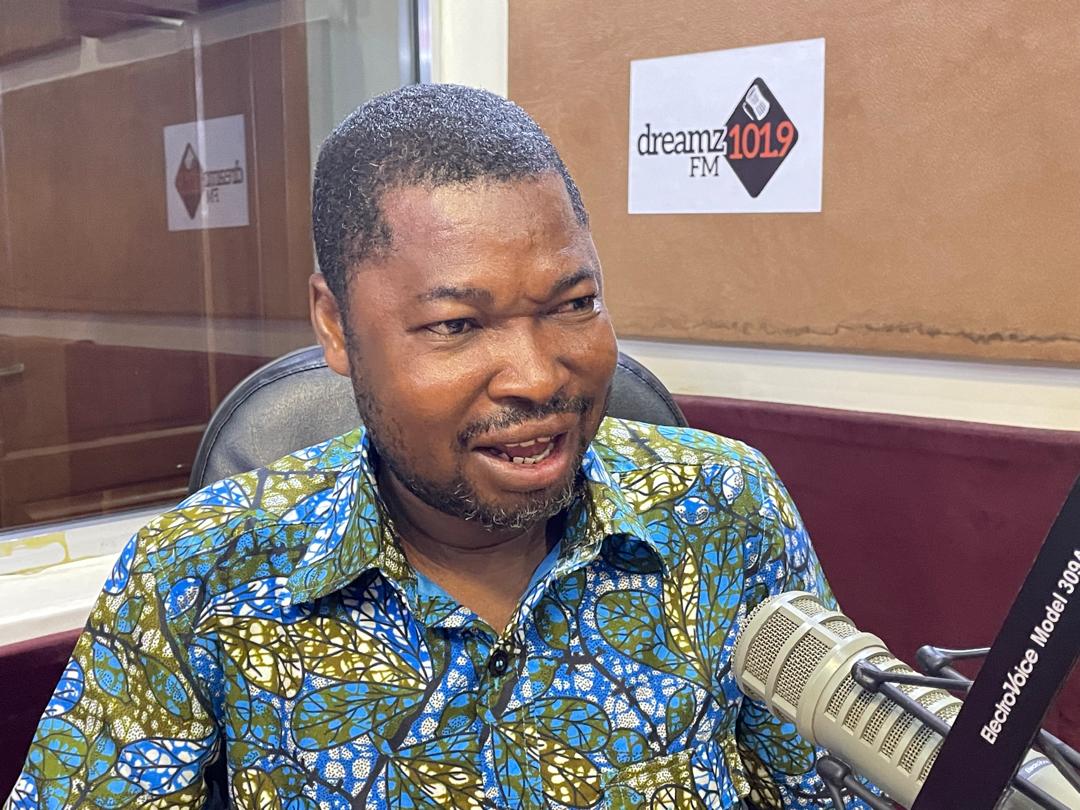
A member of the National Democratic Congress (NDC) communications team in the Upper East Region has defended Parliament’s decision to reintroduce the Anti-LGBTQ Bill, accusing the previous New Patriotic Party (NPP) administration of failing to demonstrate commitment to its passage.
Michael Nangena said the NDC government remains committed to upholding Ghana’s cultural and moral values, insisting that claims the newly introduced bill has been weakened are misleading.
Speaking on Dreamz FM’s Breakfast Today programme, Mr Nangena argued that the previous administration had opportunities to sign the legislation but failed to do so before leaving office.
According to him, former President Nana Addo Dankwa Akufo-Addo’s government did not allow the legislative process to run its full course after Parliament passed the bill.
“The proper constitutional procedure was for the bill to be transmitted to the President for consideration,” Mr Nangena said. “If there were concerns about its constitutionality, those concerns could have been addressed after it reached the Presidency.”
He further accused the former administration of frustrating efforts to enact the legislation, citing legal challenges and objections raised during the bill’s passage.
Mr Nangena dismissed allegations that the current version of the bill had been diluted, stating that key provisions relating to advocacy, promotion and funding of LGBTQ activities remain intact.
He maintained that amendments made to the legislation were intended to protect constitutional freedoms while preserving the bill’s central objective.
The communicator also urged critics to focus on the substance of the legislation rather than political arguments surrounding its passage.
The Anti-LGBTQ Bill, formally known as the Human Sexual Rights and Family Values Bill, seeks to criminalize LGBTQ activities and related advocacy in Ghana. The legislation continues to generate debate among political leaders, religious groups, human rights organizations and civil society actors.