The Director of the Beela Project, Abena Offeh-Gyimah, has warned that the decline in indigenous seed systems poses a serious threat to food sovereignty, cultural identity and nutrition in northern Ghana.
Speaking during a media engagement on indigenous seed systems and food sovereignty organized by Trax Ghana in collaboration with NABOCADO and the Beela Project in Bolgatanga, Offeh-Gyimah said indigenous seeds remain deeply connected to the traditions, health and livelihoods of local communities.
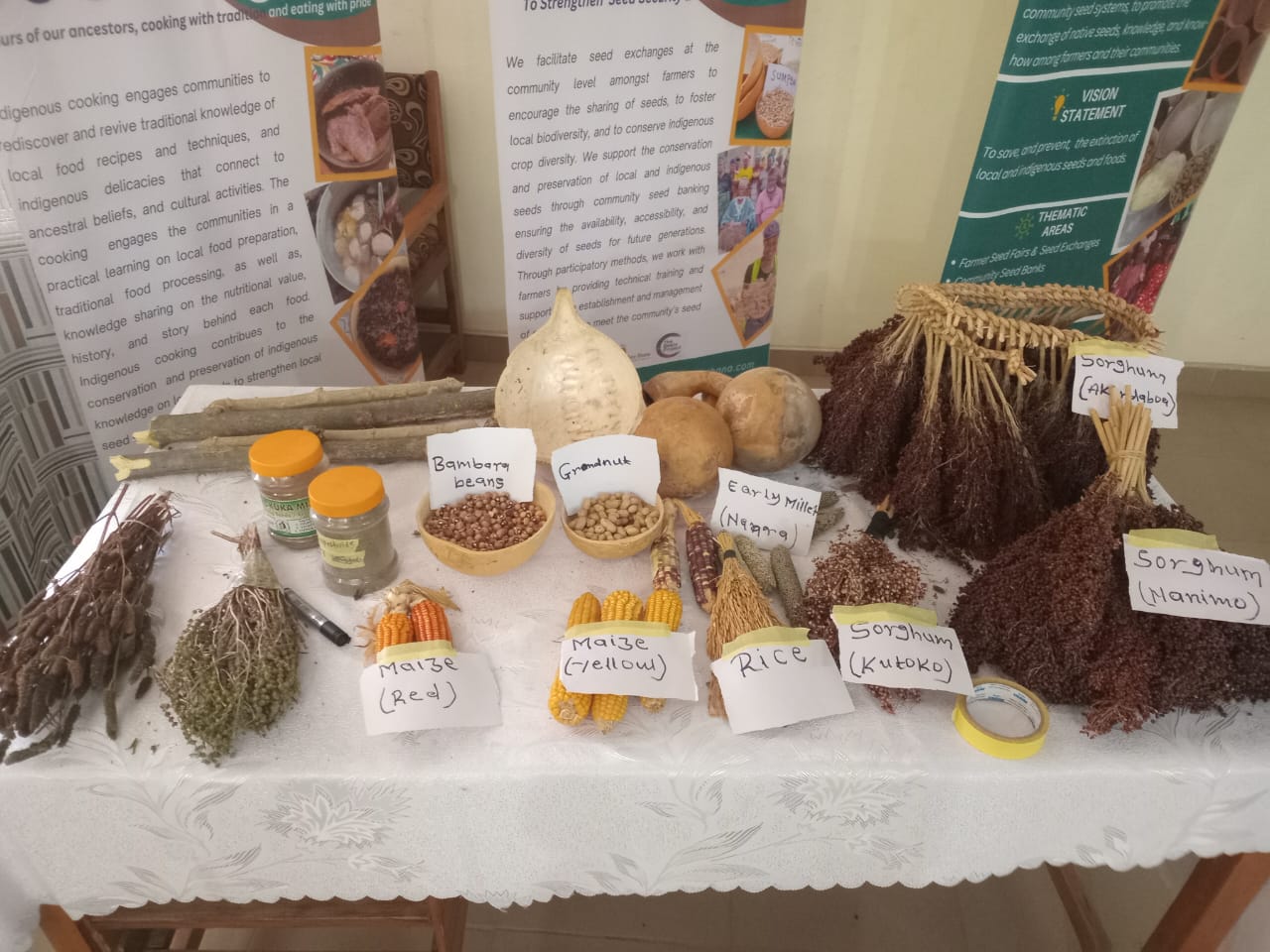
“Our identity is who we are,” she said. “If someone picks up millet or sorghum, they can tell the culture and traditions of northern Ghana.”
The engagement, held Thursday at the Centre for Child Development in Helping Hands, brought together journalists, agricultural advocates and development partners to discuss the preservation of indigenous seed systems and their role in ensuring sustainable food production.
Offeh-Gyimah said several traditional foods in northern Ghana, including tubani, tuo zaafi and indigenous vegetable soups, are dependent on local seed varieties that have been preserved by farmers for generations.
She noted that indigenous foods are highly nutritious and often recommended for health benefits, especially for people recovering from illness or managing conditions such as diabetes.
“When women give birth, they are traditionally given sorghum-based foods because of the nutritional value,” she said. “Even doctors now recommend indigenous foods because they are healthier.”
According to her, unlike hybrid or imported seeds, indigenous seeds can be saved, shared and replanted by farmers without additional cost.
She added that the seeds are more resilient during droughts and can be cultivated with little or no chemical input, reducing environmental degradation and protecting soil fertility.
Offeh-Gyimah said the partnership between Trax Ghana and the Beela Project seeks to raise awareness about the growing loss of indigenous food systems and its implications for food security and local control over food production.
“If we do not have control over our food, then who does?” she asked.
As part of the engagement, participants were also scheduled to visit farms and a community seed bank in Zanlerigu in the Nabdam District to interact with local farmers and observe indigenous seed preservation practices firsthand.