
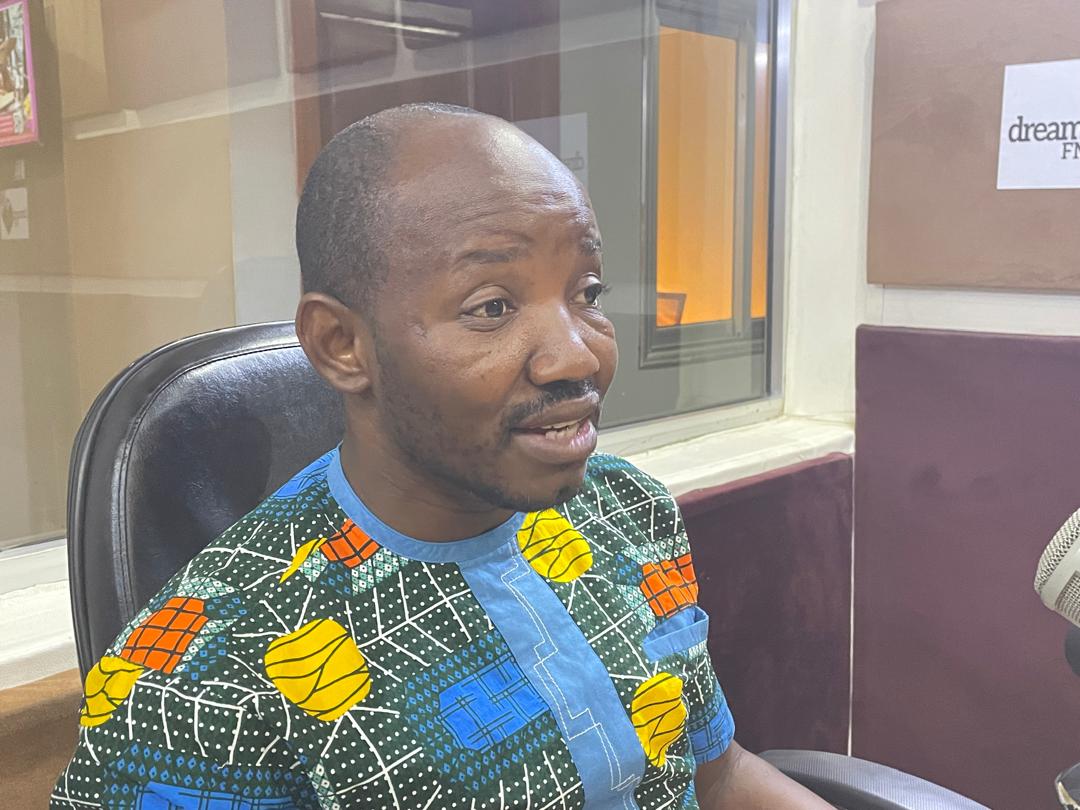
Mr. Abopam Stanley, a Social Commentator, has attributed many of Bolgatanga’s infrastructure challenges to years of weak planning enforcement and reluctance by authorities to implement difficult but necessary urban development decisions.
Speaking on Dreamz FM, Mr. Abopam lamented what he described as the haphazard growth of settlements across the regional capital, arguing that the city is now struggling with limited road access, congestion and uncoordinated development.
According to him, several roads captured on official planning layouts have either been occupied by buildings or converted into farmlands, animal pens, septic facilities and other private uses.
“People buy land, build without proper checks and later complain when authorities attempt to enforce planning regulations,” he observed.
Abopam noted that in many neighbourhoods, homeowners now face serious access challenges because roads originally intended to serve their communities were never protected.
He cited areas within Bolgatanga where residents reportedly struggle to drive vehicles directly to their homes because road reservations have been encroached upon over the years.
Mr. Abopam further argued that authorities in the Upper East Region have not been aggressive enough in opening roads and implementing urban planning schemes compared to some neighbouring regions.
He questioned why several district capitals in the North East and Upper West Regions have witnessed significant improvements in road infrastructure while similar progress remains limited in the Upper East Region.
Mr. Abopam also criticised what he described as inadequate maintenance and construction standards on some roads in the region, suggesting that engineers and political leaders must work more effectively to address infrastructure deficits.
Beyond roads, he called for stronger support for development projects such as markets, public institutions and other infrastructure that can stimulate economic activity and improve living conditions.
He urged residents to embrace development initiatives and view public infrastructure as a collective investment rather than a threat to individual property interests.
According to him, the future growth of Bolgatanga and other districts will depend largely on the willingness of leaders and communities to make difficult choices today in order to create better planned settlements for future generations.
“Development requires vision, sacrifice and courage. If we continue postponing difficult decisions, our towns will remain trapped in the same challenges,” he concluded.