
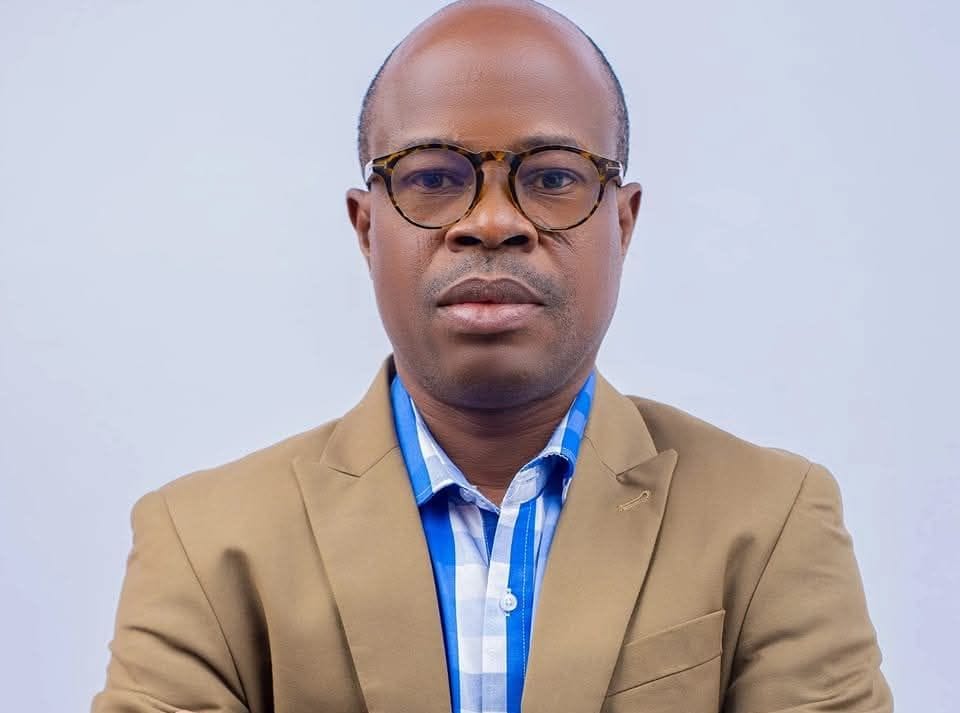
A clergyman in the Upper East Region, Rev. John Wundingba of the Assemblies of God Ghana Miracle Center–Kugadoone, has raised concerns about what he describes as growing neglect of boys’ education.
He also raised concerns about the need to address attitudes toward public property in schools.
Speaking on News Digest on Dreamz FM with host Nicholas Azebire, Rev. Wundingba said efforts to promote girls’ education are important but should not result in boys being overlooked.
“Some time back, it was boys who were mainly in school. Then we realized we had to encourage girls to go to school,” he said. “Today it appears everything is about girls, and our boys are gradually being left behind.”
He said in some schools, the number of boys in classrooms is declining, warning that the trend could worsen if the education system fails to address the needs of both genders.
“If care is not taken, the time may come when we will not have enough boys in school,” he cautioned.
Rev. Wundingba also questioned some interventions aimed at keeping girls in school, including the provision of family planning services, arguing that such measures alone may not solve the broader challenges facing students.
He stressed that education should involve a collective effort from parents, teachers, and the wider community to support both boys and girls.
The clergyman further criticized what he described as a “government property mentality,” where students see public facilities as belonging solely to the state and therefore treat them carelessly.
“The mentality is that it belongs to the government, so they can destroy it,” he said.
He urged a change in attitude, explaining that public infrastructure is funded by taxpayers and therefore belongs to the community.
“The money used to build those properties is the people’s money. When you destroy them, you are destroying your own resources,” he said.
Rev. Wundingba called on parents, teachers, and community leaders to work together to instill a sense of responsibility and discipline in children.
He said a balanced approach to education that addresses the needs of both boys and girls would help ensure that all students have equal opportunities to succeed.