
Ghana’s teacher licensure examinations are facing renewed scrutiny as education stakeholders debate their effectiveness, fairness and impact on graduate employment.
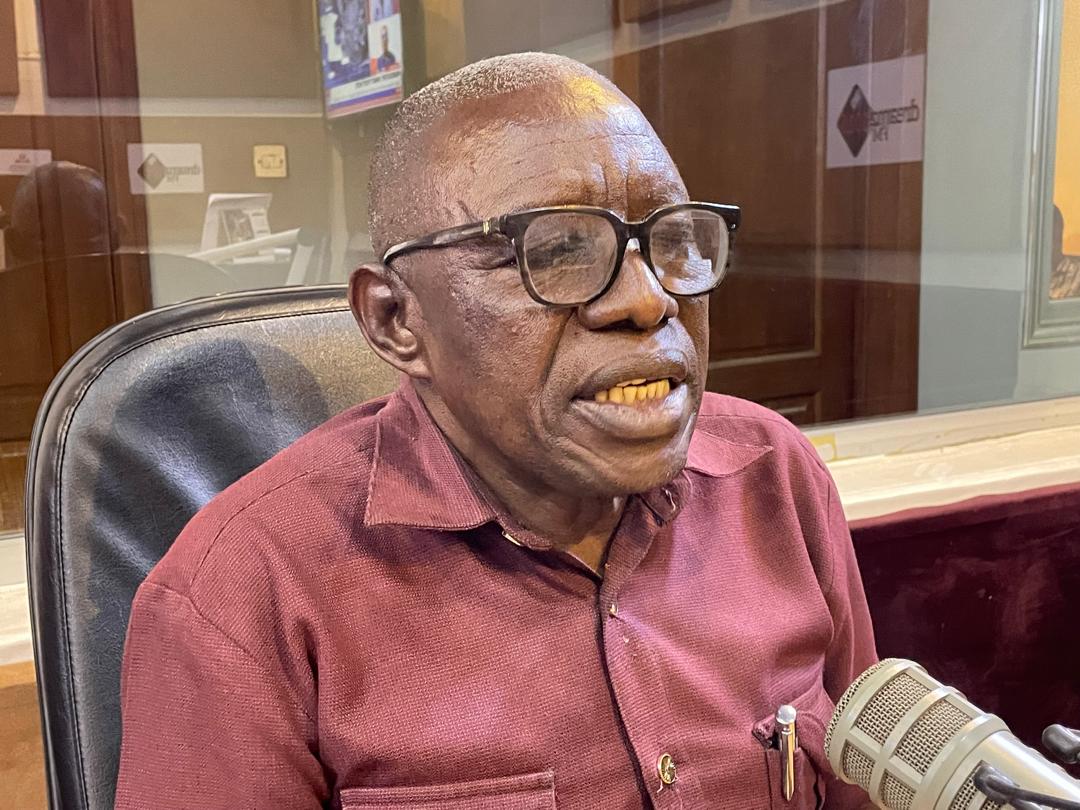
Professor Avea Nsoh, a lecturer and former Upper East Regional Minister, said the structure of the exams, particularly the reliance on short, standardized tests raises serious concerns.
“You cannot assess a teacher who has spent years training with just one hour of examination,” he said during a phone interview on Dreamz FM.
Recent statistics cited during the discussion showed significant failure rates among candidates. In one instance, about 5,000 out of 37,000 candidates reportedly failed the exam, while earlier results indicated failure rates nearing 47 percent.
Nsoh described the trend as problematic and suggested it points either to flaws in the examination system or weaknesses in teacher training.
“In any proper assessment system, you don’t expect such high failure rates,” he said. “It suggests something is wrong either with the exams or the training institutions.”
The exams have also been criticized for placing an additional financial burden on graduates, who must pay to sit for the tests after completing their studies.
Nsoh noted that the policy has become deeply institutionalized, with multiple stakeholders including examiners, supervisors and training providers deriving income from the system.
“It has become a whole structure with economic interests,” he said, adding that this makes reforms difficult to implement.
He also rejected claims that the licensure exams were deliberately designed to limit government recruitment of teachers, saying there is no clear evidence to support that assertion.
However, he acknowledged broader challenges in the education sector, including the paradox of unemployed trained teachers alongside understaffed classrooms.
“We have trained teachers who are not employed, yet many schools lack qualified teachers,” he said, calling for increased funding and better resource allocation.
Nsoh emphasized that while teacher licensing is important, Ghana must adopt a more practical and equitable system that ensures quality without disadvanting graduates.
“The concept is good,” he said. “But the implementation must change.”