The government will clear outstanding feeding arrears owed to senior high schools before the end of the week, a Regional Communications Official, Abdallah Jonathan Salifu has said, disputing claims that institutions are owed up to six months.
Speaking on Dreamz FM’s State of Our Nation program, Mr Salifu said arrears related to perishable food supplies cover about three months, not six as widely reported.
“What I know is that they were paid in January, so what is owed is from February to April,” Salifu said.
He explained that confusion over the figures may stem from separate unpaid costs linked to emergency food purchases made by school authorities late last year, outside the regular supply system managed by the National Buffer Stock Company.
According to him, those emergency procurements, including grains such as rice and maize, are distinct from routine funds allocated for perishables like vegetables and other daily-use items.
Mr Salifu said most schools are adequately stocked with non-perishable food supplies and that current concerns center on cash needed for perishables and operational expenses.
“Government has committed that the three-month arrears tied to perishables will be paid by the close of this week,” he said, adding that an additional month’s allocation is expected to help schools prepare ahead of reopening.
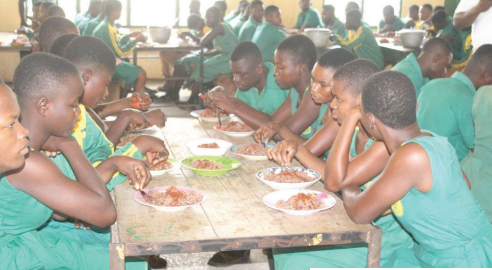
School authorities have warned that delays in payments could disrupt feeding programs, but Mr Salifu assured that no school would be forced to close.
“Without money, they cannot feed the children, and we agree with them,” he said. “But government will resolve the issue before schools resume.”
He likened the delay to household financial management, where certain expenses may be deferred temporarily to address more urgent needs.
Mr Salifu declined to specify the cause of the delay but maintained that the government remains committed to sustaining the free senior high school program.
He also dismissed concerns about food shortages, noting that some continuing students are still being fed without interruption.
“No student will sit at home because of feeding challenges,” he said.