
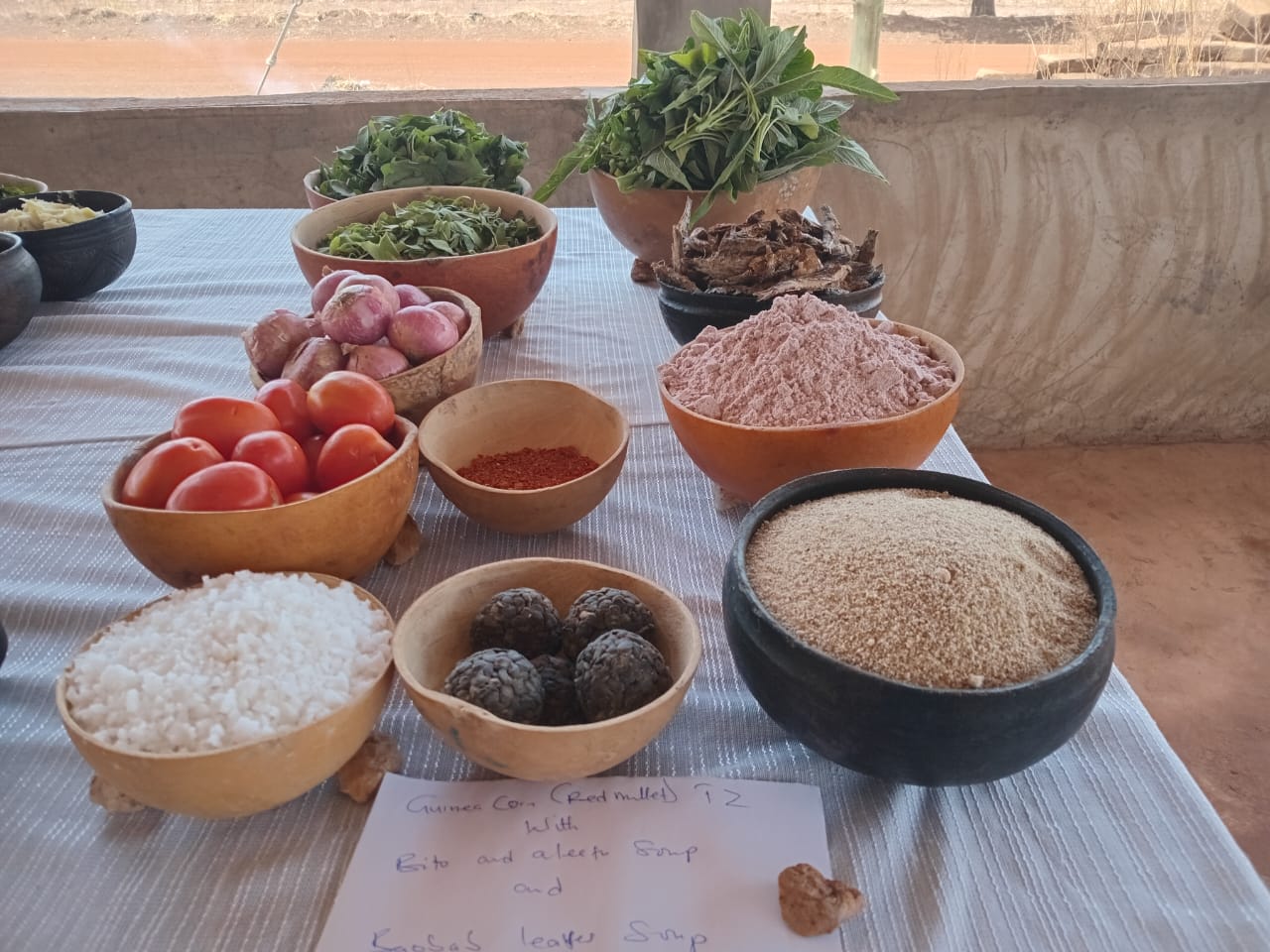
A local nonprofit working with women farmers in the Upper East Region has launched a community-based initiative to revive indigenous foods and improve household nutrition, as concerns grow over declining use of traditional crops and diets.
In an initiative funded by 11th Hour Project Food Sovereignty and Fund of RSF Social Finance, the Widows and Orphans Movement in collaboration with the Ghana Health Service, is leading a five-community campaign dubbed “rediscovering our indigenous foods and seeds,” aimed at reintroducing traditional meals and educating residents on their nutritional value.
Elizabeth Anafo, head of programs for the organization, said the initiative builds on a similar effort last year that brought several communities together for a food bazaar showcasing local dishes that had largely fallen out of use.
“Many people are no longer preparing these foods, either because they think they are not appealing or they are not aware of their nutritional benefits,” Anafo said. “But when we introduced them again, the response was overwhelming.”
This year’s program shifts focus to individual communities, allowing more women and households to participate directly in cooking demonstrations and training sessions. The campaign is being rolled out in Sakote, Gane-Asonge, Dasabligo, Nyogbare and Yagzore.
Anafo said the initiative has two main goals: reviving traditional dishes and educating communities on how to prepare them as balanced meals.
“We are looking at the nutritional composition, how much protein, how to combine ingredients, and how to ensure these meals meet dietary needs,” she said.
Wuni Stella Tampuri, Nabdam municipal nutrition officer involved in the training, said many families have moved away from local foods in favor of more common staples such as rice, often at the expense of nutrition.
“Our local foods are very nutritious,” Tampuri said. “The challenge is how to combine them properly to achieve a balanced diet, especially for pregnant women, children under five and other vulnerable groups.”
She added that the training also focuses on hygiene and food preparation techniques to improve health outcomes.
Participants in Sakote demonstrated the preparation of several traditional dishes using locally grown ingredients, including millet- and bambara bean-based meals accompanied by leafy soups.
A member of the Sakote women’s group said the exercise was a reminder of the value of indigenous foods and farming practices.
“In our communities we are eating so much rice, and we are neglecting what we grow ourselves,” she said. “These foods are nutritious and can benefit us if we return to them.”
She also noted that participants learned improved methods of handling vegetables to retain nutrients, including avoiding the common practice of discarding water used to boil leaves.
“Sometimes we throw away the nutrients without knowing,” she said. “Now we understand better how to prepare our food safely and nutritiously.”
Organizers say the initiative also aims to preserve indigenous seeds, which are at risk as fewer farmers cultivate traditional crops.
“If people are not preparing these foods, they will not grow them,” Anafo said. “And when that happens, we lose our seeds, our knowledge and our culture.”
The program is expected to expand awareness at the household level, encouraging families to incorporate indigenous foods into their daily diets while promoting sustainable farming practices.