
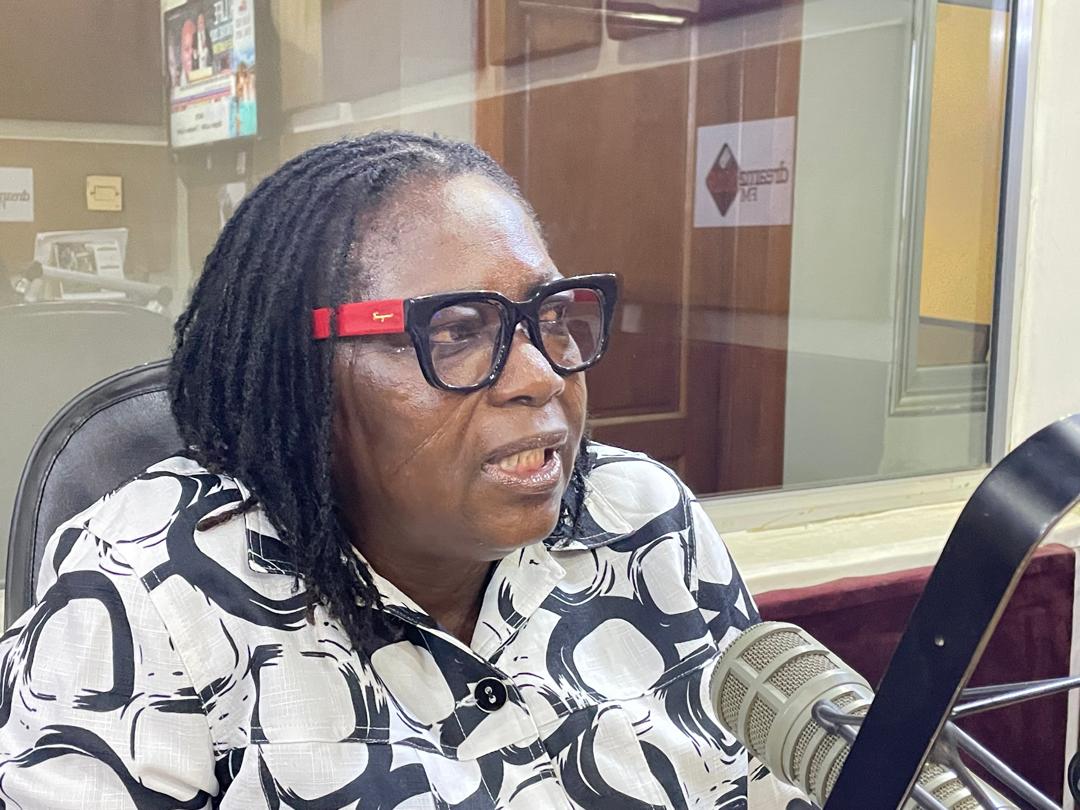
A former cowgirl from the Upper East Region who was withdrawn from school to herd cattle has become a professor and is using her story to advocate for girls’ education in rural communities.
Professor Vida Nyagre Yakong, Deputy Registrar of the Health Facilities Regulatory Agency, recounted how she began her education before being taken out of school to care for her father’s livestock at the age of seven.
She later returned to primary school at age 10 after spending years as one of the few girls participating in what was largely considered a male activity.
“I was the only girl among the cowboys,” she said. “I even took part in wrestling competitions and became one of the champions.”
Prof. Yakong said prevailing cultural beliefs at the time discouraged investment in girls’ education because families believed daughters would eventually marry and benefit their husbands’ families.
Her father initially saw little value in educating a second daughter after her older sister had already been enrolled in school.
Following her father’s death, she moved in with her elder sister, who had become a nurse, and resumed her education.
That journey eventually took her from community health nursing training in Tamale to advanced studies in Canada, where she earned a doctorate in interdisciplinary studies and medical anthropology from the University of British Columbia.
Drawing from her personal experience, Prof. Yakong later established the Kawumbu Girl Child Education Foundation to support girls in her community.
She said the initiative has helped many beneficiaries complete their education and enter professions including nursing, teaching, laboratory science and medicine.
“I wanted to see girls from my community complete at least senior high school within ten years,” she said.
While acknowledging progress, she noted that poverty, teenage pregnancy and lingering cultural attitudes continue to affect girls’ educational opportunities in many rural communities.