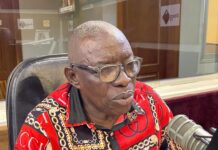

Solomon Gbenka, the Bolgatanga Municipal Chairman of Ghana National Association of Teachers, has questioned figures released by the National Teaching Council indicating that more than 42,000 teachers in Ghana’s classrooms are unqualified.
Speaking on Dreamz FM’s Breakfast Today program with host James Nana Tsiquaye, Gbenka described the numbers as “alarming” and suggested that administrative and technical errors may have contributed to the figures.
The NTC recently disclosed that about 12,279 unqualified teachers were identified in senior high schools, while more than 30,000 were found in basic schools nationwide. The council has introduced an 18-week fast-track teacher education program in collaboration with five universities to help affected teachers obtain professional certification and teaching licenses.
Gbenka said some teachers classified as unqualified are actually trained professionals whose records were wrongly captured in the NTC system.
“You will meet a teacher who completed from the College of Education, studied Bachelor of Education and even has a master’s degree in education, yet the system still classifies the person as unprofessional because of an entry mistake,” he said.
According to him, the online registration process used by the NTC has created challenges for teachers seeking to regularize their professional status.
He explained that professional teachers are those who have undergone formal pedagogical training through colleges of education or university education programs and possess teaching licenses required by law.
Gbenka said the introduction of the NTC and teacher licensing regime under the education reforms was intended to improve standards and professionalize teaching in Ghana.
He, however, defended some teachers currently in classrooms without professional licenses, noting that many entered the service before the licensing regime was introduced.
“We started practicing that system before the introduction of the NTC. Right now, before you can be employed into Ghana Education Service, you must be licensed,” he said.
The GNAT chairman welcomed the fast-track diploma program being organized for non-professional teachers, saying it would help regularize affected educators instead of dismissing them from the system.
He added that GNAT has been supporting vulnerable teachers, particularly women in remote areas, to pursue professional education courses and obtain certification.