Ghana’s development challenges stem partly from a weak sense of national ownership among citizens, a university lecturer said during a discussion marking the country’s Independence Day anniversary.
Professor Asaa Mohammed said many Ghanaians do not see the state as a collective responsibility, a situation he believes fuels corruption and weak civic commitment.
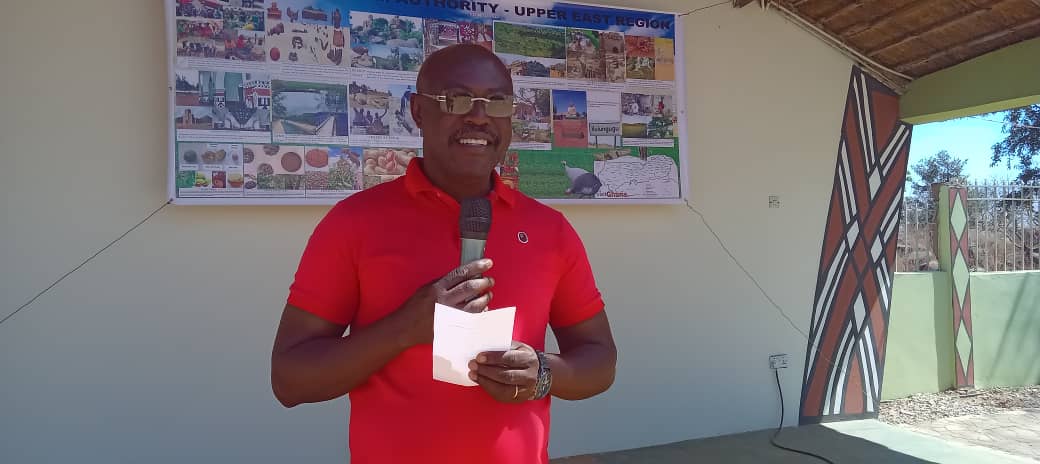
Speaking during an interview at Rock Gardens in Bolgatanga, Prof. Asaa said Ghana has achieved political sovereignty but has yet to fully build a cohesive nation.
“We got our sovereignty, but we have not fully built nationhood,” he said. “Citizenship becomes powerful only when people see the nation as their own.”
According to Mohammed, many citizens view the state as an abstract entity rather than a shared national project.
“When people hear that something is being stolen from Ghana, many are not angry enough because they don’t feel it belongs to them,” he said.
He argued that this mindset contrasts sharply with attitudes in some developed countries, where citizens see themselves as stakeholders in national development.
The academic recalled an experience with a friend in the United States who insisted that he purchase a ticket while boarding public transport.
“He was not worried about me being arrested,” Mohammed said. “He was concerned that his state should not lose money.”
He said such attitudes reflect a strong sense of civic responsibility, including the willingness to pay taxes and protect public resources.
“In many developed countries, even young people understand that paying taxes is their contribution to the state,” he said.
In Ghana, however, he said many people expect government benefits without contributing significantly to national development.
“You cannot expect the state to provide everything if citizens are not prepared to contribute,” he said.
He compared the state to a family structure in which members work together to support a common household.
“If the state is our father, then we must all work to support that father,” he said. “Only then can the state take care of its citizens.”
He added that rebuilding a sense of national identity and responsibility among citizens is critical to tackling corruption and improving governance.
“Until we see Ghana as our collective responsibility, progress will remain slow,” he said.