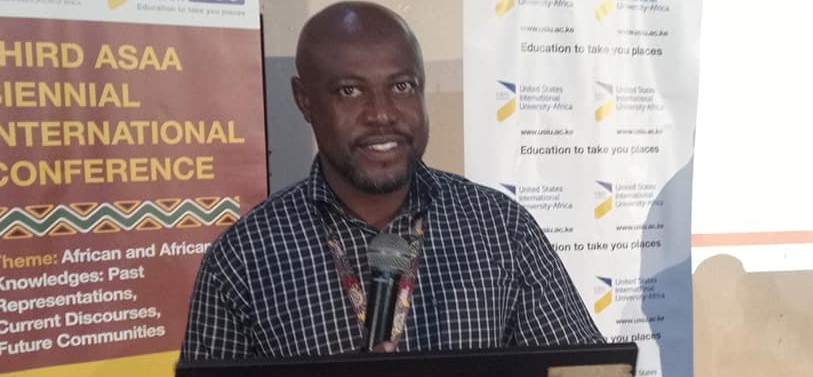
As Ghana marked its 69th Independence Day, development economics lecturer Prof. Asaa Mohammed is urging citizens to reflect critically on whether the country’s growth matches its potential and resources.
Prof. Asaa, who is also the chief executive officer of Rock Gardens, said Ghana has recorded measurable growth since independence but has yet to achieve the level of development envisioned by its founding leaders.
Speaking in an interview with Dreamz FM’s James Nana Tsiquaye at Rock Gardens in Bolgatanga, he described Ghana’s progress as “relative,” noting that growth should be measured not only by age but by prosperity, wisdom, and national impact.
“Every human being grows,” Prof. Asaa said. “But the growth that signifies maturity is growth in wisdom, prosperity, and impactful life. That is the kind of growth we should be looking at as a country.”
Ghana gained independence from Britain in 1957 under the leadership of Kwame Nkrumah, who promoted policies aimed at economic self-reliance and industrialization.
Prof. Asaa said the country has expanded in several areas, including the discovery and exploitation of natural resources such as oil and lithium in addition to gold and cocoa.
“In terms of natural resources and GDP, we have grown,” he said. “But the concern is whether that growth is commensurate with our resources and whether it meets global standards.”
He pointed out that some countries with fewer natural advantages have achieved significant development gains.
“Countries like Singapore and Malaysia have moved ahead, and even within Africa we see Rwanda rising after periods of conflict,” he said.
He said Ghana’s early development strategy under Nkrumah included programs such as the seven-year development plan and import substitution industrialization, designed to encourage local production and reduce reliance on foreign goods.
Institutions like the Cocoa Processing Company and the Ghana Cocoa Board were created to manage the country’s cocoa sector and promote value addition, he noted.
According to Prof. Asaa, these policies were intended to ensure Ghana controlled its key resources and benefited more from them.
However, he said political disruptions and inconsistent national commitment over the decades slowed the country’s progress.
“We started with a clear agenda of self-reliance and sovereignty,” he said. “But the nation-building process was truncated.”
Despite the challenges, Prof. Asaa said Ghana still has the potential to achieve the vision set out at independence.
“Ghana belongs to all of us,” he said. “If we commit ourselves to building it, the future can still match the dreams of our founders.”