Journalists in the Upper East Region have marked this year’s World Press Freedom Day with a crime and court reporting training workshop organised by the Upper East Regional Branch of the Ghana Journalists Association (GJA), aimed at strengthening the capacity of media practitioners to report accurately, ethically, and responsibly on crime and judicial proceedings.
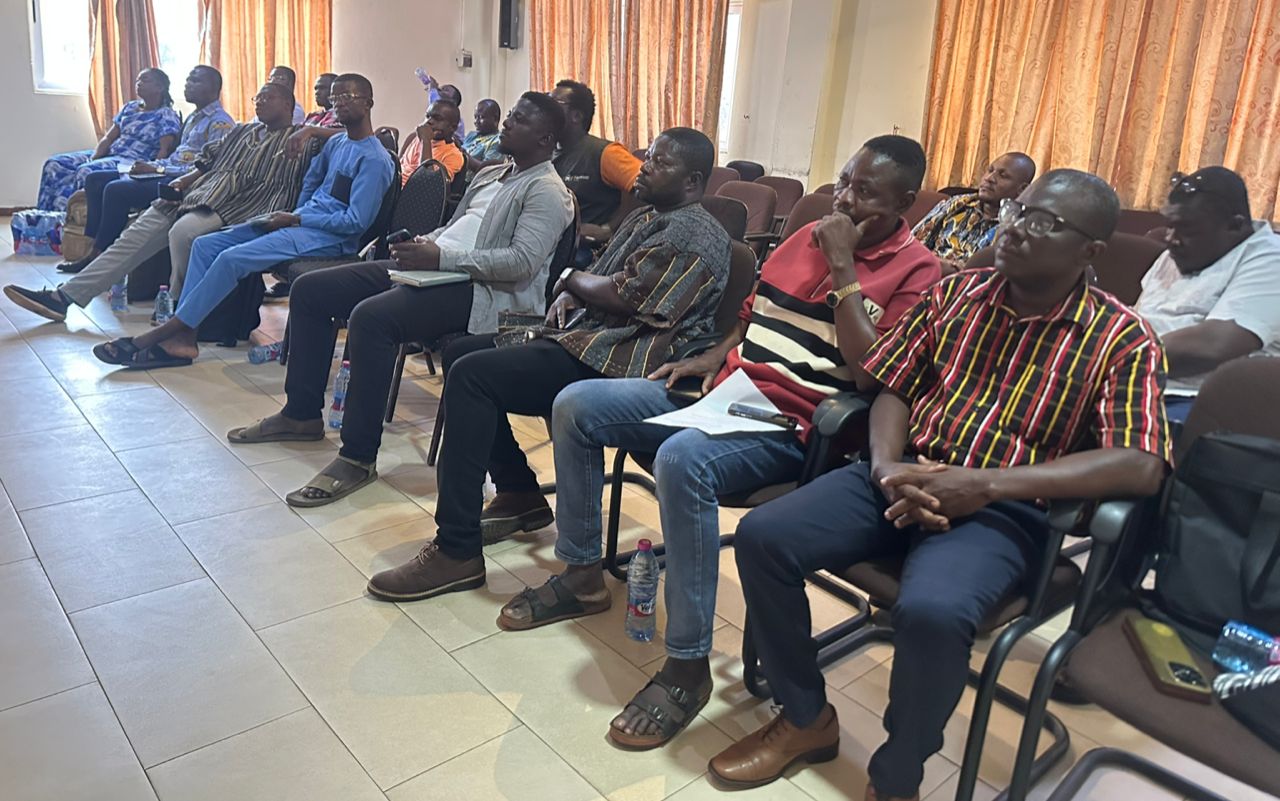
The training, held on Monday, May 4, 2026, at the Ghana Health Service In-Service Training Centre in Bolgatanga, was organised under the global theme for this year’s World Press Freedom Day, “Shaping a Future at Peace.” It brought together journalists and media practitioners from across the region for a day of learning, engagement, and knowledge sharing.
The workshop featured contributions from key stakeholders including the Ghana Bar Association and the Commission on Human Rights and Administrative Justice (CHRAJ), as well as an open forum for interaction. His Lordship Ernest Gemadzie, Upper East Regional Supervising High Court Judge, served as the main facilitator.
Upper East Regional Director of CHRAJ, Jaladeen Abdulai, who was among the facilitators, underscored the critical role journalists play in making the justice system transparent and accessible to the public, stressing that the training was both timely and essential.
“If journalists are not given the opportunity to go to the court to report, we may all not know what is happening in there. The essence of this program is very important. Journalists will know their rights and responsibilities. At the end of the day, journalists will know what is expected of them and will report fairly when they go to the courtroom,” he said.
The engagement comes at a significant moment for Ghana’s media landscape. The country has ascended to 39th place out of 180 countries in the 2026 Reporters Without Borders (RSF) World Press Freedom Index, recording a score of 72.20 — its strongest performance in five years. The ranking marks a sharp recovery from 52nd position in 2025 and reaffirms Ghana’s standing as one of Africa’s more resilient media democracies.
Against this backdrop, the Upper East GJA’s decision to focus this year’s commemoration on crime and court reporting speaks directly to the need to consolidate Ghana’s gains in press freedom through better informed, more responsible journalism. The workshop sought to equip journalists in the region with the tools to contribute to peacebuilding through informed and balanced reporting, while also ensuring they understand their rights and limitations when covering the courts.