
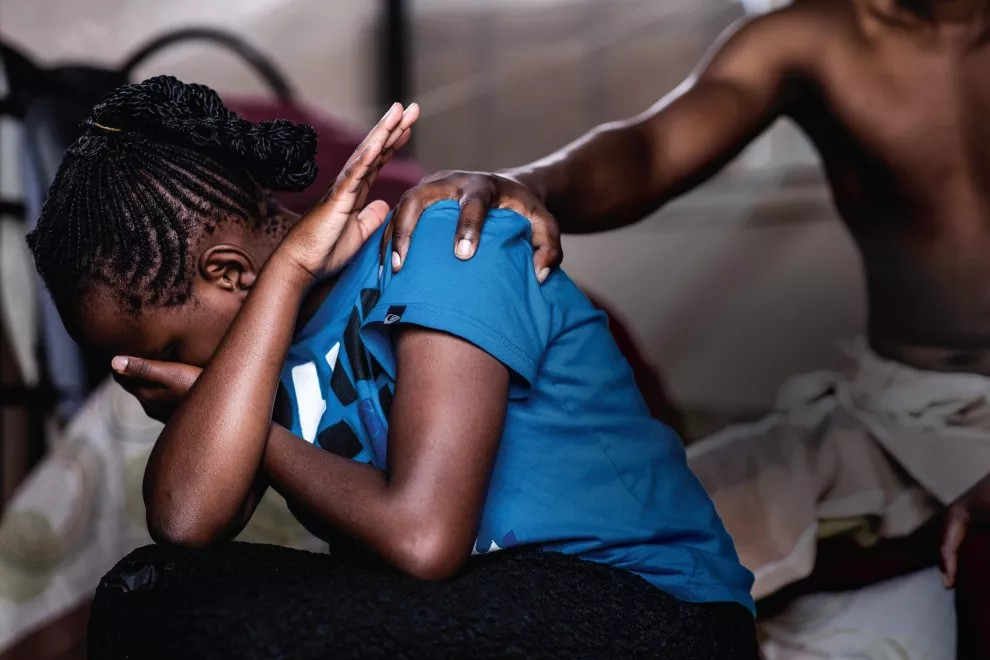
Fear of intimidation, social ties and the influence of powerful individuals are major obstacles in tackling defilement cases in communities, according to a regional official of Ghana’s Department of Gender.
James Twene said offenders are often known to victims and may include relatives, teachers or community members, making it difficult for families to pursue justice.
“The perpetrator may be a family friend, a relative or even a teacher,” he said. “These relationships create pressure to settle matters quietly instead of reporting to the authorities.”
He added that some families face threats or intimidation, particularly when perpetrators come from influential or financially stable backgrounds.
Mr Twene also cited mistrust in the justice system as a contributing factor, noting that some community members believe cases will not lead to punishment or may take too long to resolve.
Despite these challenges, he urged the public to support institutions mandated to handle such cases and ensure justice for victims.
“It is a criminal issue which should not be addressed at the family level,” he said, calling for collective action to protect vulnerable children and hold offenders accountable.