The Ghana National Association of Private Schools (GNAPS) in Bolgatanga has expressed concern over what it describes as unfair treatment by the government in the implementation of educational policies and programmes.
According to the association, private schools and their members have, over the years, not been treated fairly in the rollout of various government interventions in the education sector.
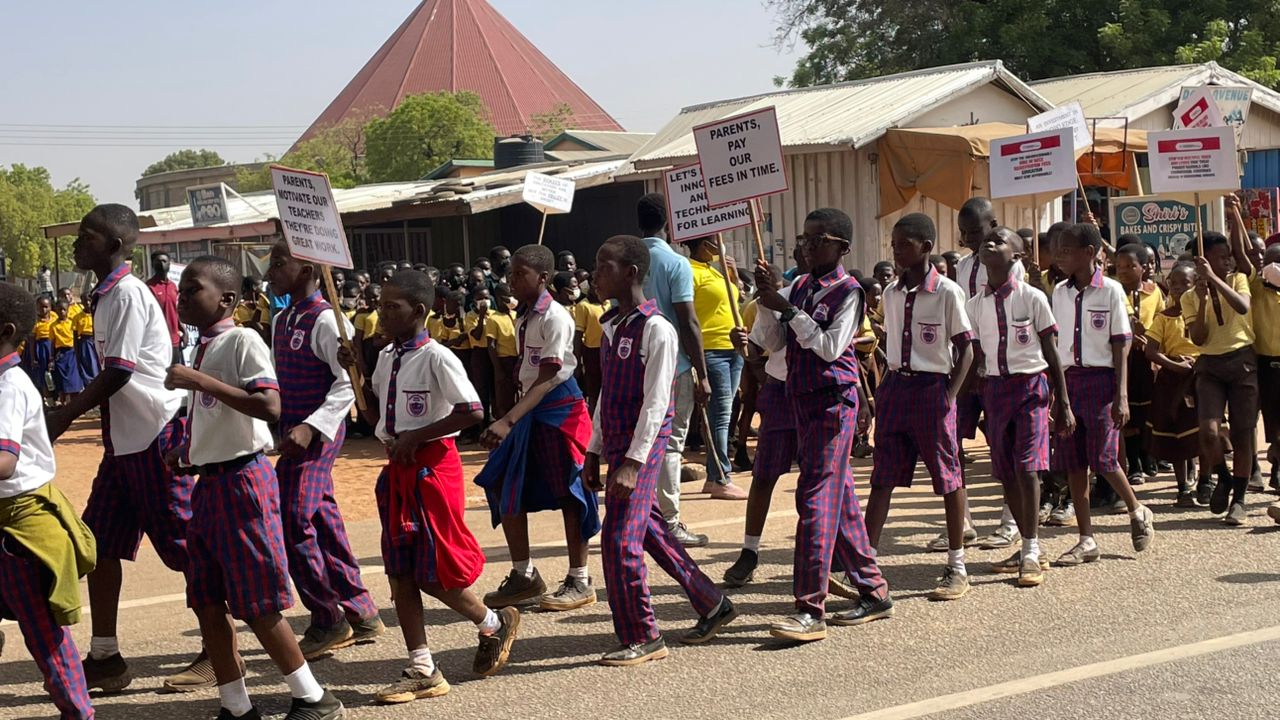
As part of activities marking their week-long celebration, members of GNAPS embarked on a float through the principal streets of Bolgatanga.
They carried placards with messages calling for greater consultation, training opportunities for private school teachers, increased support for private institutions, and reduced taxes, among other demands.
One of the major concerns raised by the association is the placement of students into senior high schools.
GNAPS argues that the current system appears to prioritise students from public schools over those from private schools.The association is also worried about the recent increase in the registration fee for the Basic Education Certificate Examination (BECE).
The West African Examinations Council (WAEC) has announced that the fee will rise from GH₵282.35 in 2025 to GH₵350.82 in 2026.
GNAPS has described the increment as unilateral and insensitive, arguing that it will impose significant hardship on private schools, many of which are already struggling to stay afloat. The association is therefore urging WAEC and the government to take into consideration the plight of private schools before implementing the new fees.
Speaking to the media after the float, the Bolgatanga Municipal Secretary of GNAPS, Rev. Pious Prah, described the implementation of certain educational interventions as unfair to private schools.
He reiterated concerns over what he described as the shortchanging of private schools in student placements and the increment in BECE fees.
He called on the government to recognise the contributions of private schools to Ghana’s education sector.
“Private Schools, we are part of the major stakeholders. If you talk of quality education in Ghana, every year by statistics after BECE if you check the results arrangement and the performance, private schools we become the first everything but our challenge is that after BECE and it’s time for placement, that is where we are shortchanged because they think that the public schools have to get grade A schools before us. There’s a lot of injustice and unfair treatment on us.” He said.
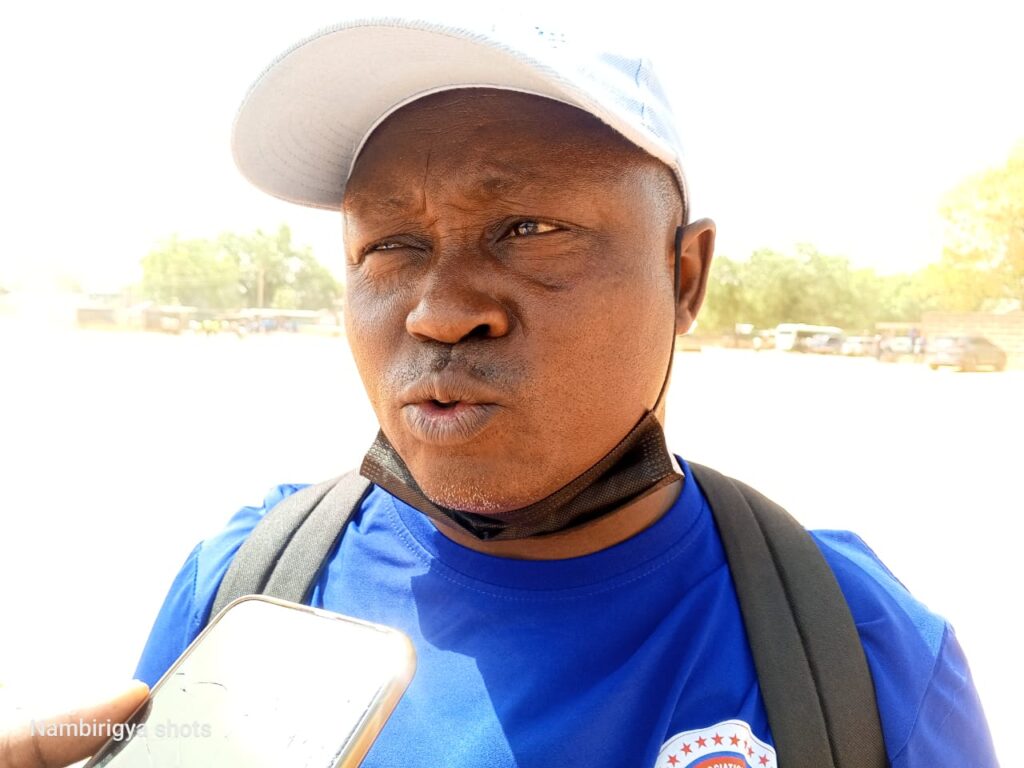
Rev. Prah also dismissed the perception that private schools make excessive profits through school fees, describing the notion as erroneous.
He outlined the numerous taxes and financial obligations private schools are required to meet, stressing that many institutions operate under significant financial pressure.