
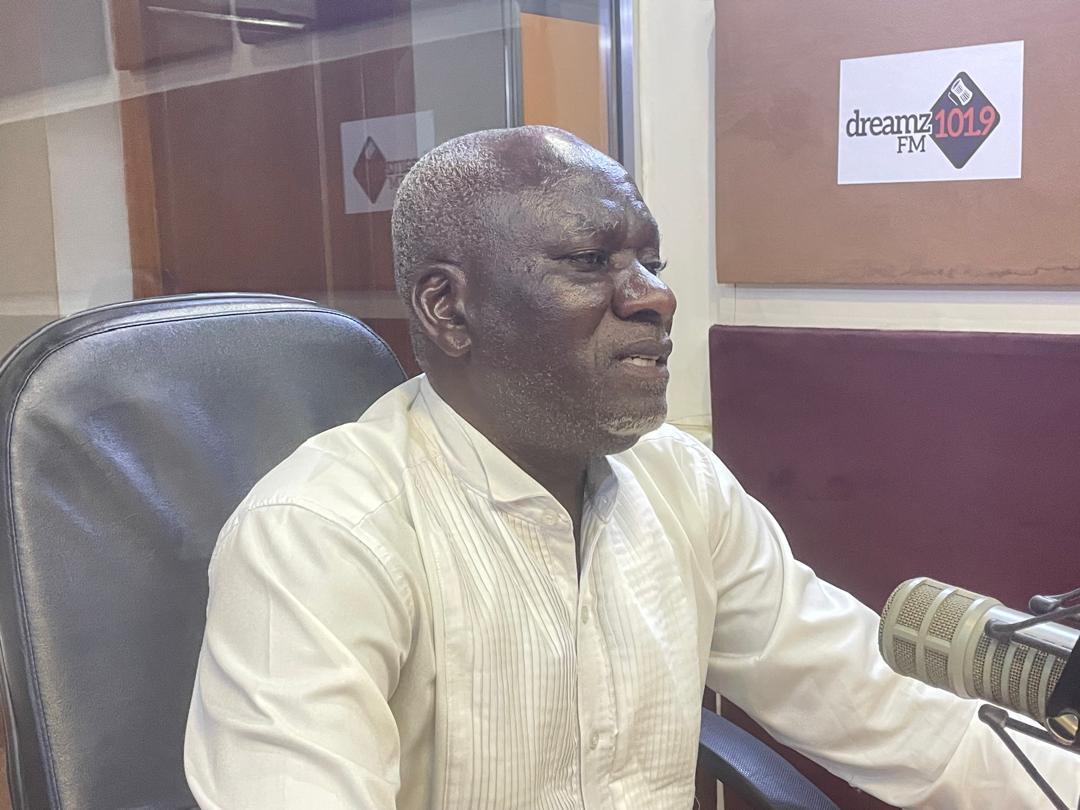
The Upper East Regional Director of the Commission on Human Rights and Administrative Justice (CHRAJ) has urged couples going through divorce to ensure that their separation does not negatively impact the welfare and wellbeing of their children.
Speaking on State of Our Nation on Thursday, he expressed concern that some couples allow the breakdown of their relationship to affect how they care for their children.
According to him, certain partners mistakenly believe that withdrawing love and support from their children is a way to retaliate against the other party for the divorce.
He described such actions as unfair to the children, emphasizing that they did not choose to be born and should not suffer the consequences of their parents’ conflicts. He therefore called on separating couples to prioritize the interests of their children and act responsibly throughout the process.
The Regional Director stressed the importance of maturity, noting that both parents have a duty to raise their children to become responsible individuals, regardless of the state of their relationship.
He said, “If there is ever the situation where a man and woman are parting company, never should the two of you allow your sour relationship to affect the children. We are matured but these children do not even know what is going on between the two of you. Let you maturity turn on to the children. The two of us cannot reasonably stay together but we have brought forth some children. How do we come together to ensure these children become responsible persons tomorrow?”
“How do come together to ensure these children become responsible persons tomorrow but the hatred of the man, the hatred of the woman, we vent it onto the children. That will be my advice for divorcing couples. Because there instances the man cannot call the woman to know of the children and the woman cannot call the man to know of the children.” He added.
He further advised that separated couples should establish clear boundaries and ensure mutual respect for those limits to prevent unnecessary conflict.