
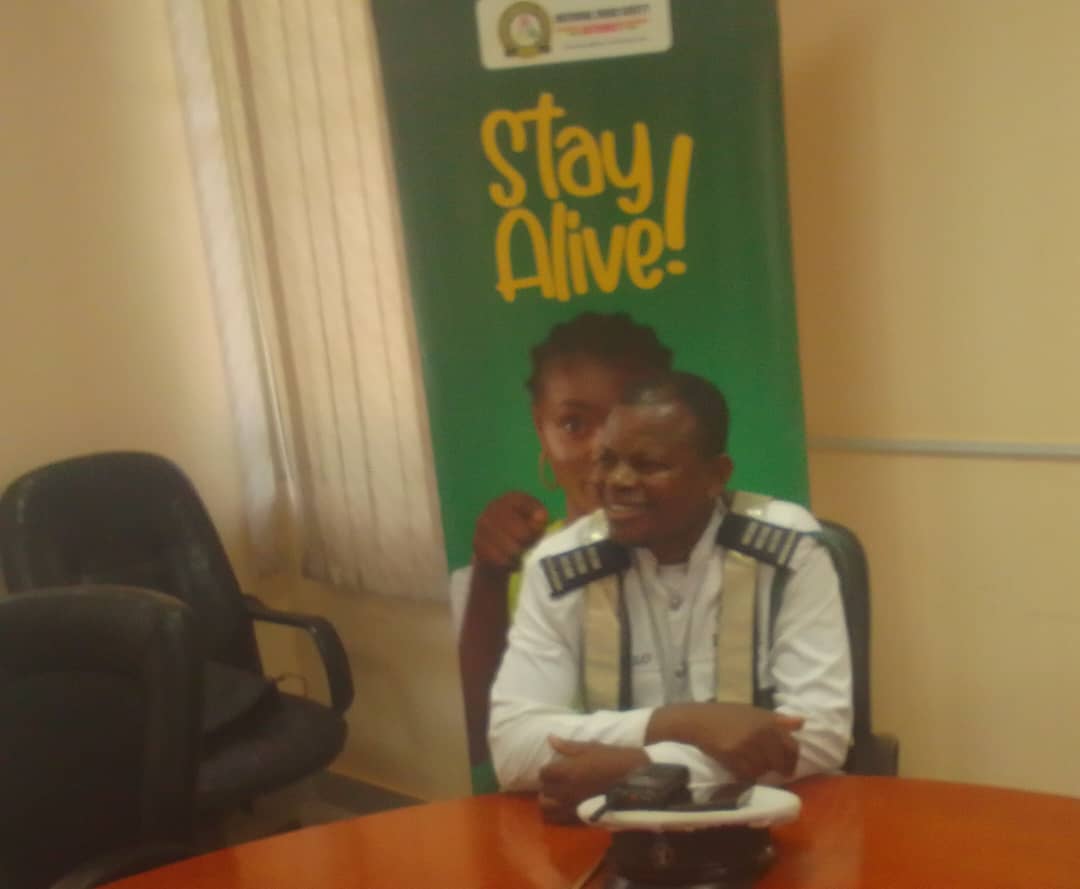
The Motor Traffic and Transport Department of the Ghana Police Service in the Upper East Region has decried interference in its work and threats against its officials enforcing traffic regulations.
Inspector Leo Kwame Tagborlo, Lead Investigator at Regional MTTD, said officials of the Department are often pressured to let traffic offenders off the hook, and when they insist on pressing charges, they are threatened with transfers to remote areas or even job terminations.
Inspector Tagborlo described instances about 3 years ago when officials of the department received threats from highly placed political officeholders in Accra for failing to succumb to pressure.
This, he said, has emboldened offenders to continue violating traffic regulations with impunity and call the department’s bluff when its officials caution them against such violations.
“At times, you stand on the road and signal them; they will ignore it and continue. From there, some of them get involved in an accident. After that accident, you’ll see a lot of people, especially politicians, coming in, that “he’s my boy, he’s my boy,” he stated.
“They are tying our hands back. And when you insist you are doing the rightful thing, they will throw you into the remote area. Some even threaten you a lot.”
He added, “I can recall about three or four years ago, we were even receiving threats from Accra. (And some people will call you on the phone. They will threaten you for doing lawful work”.
Inspector Tagborlo was speaking Wednesday, March 4, 2025, at a stakeholder engagement on road safety convened by the National Road Safety Authority (NRSA) in Bolgatanga.
The MTTD is mandated to enforce road traffic regulations, ensure safety, and manage traffic flow.
But Inspector Tagborlo says political interference and threats against their officials operating in the Upper East Region are impeding their work and emboldening traffic offenders.
He described an emerging pattern in which trucks are fully loaded with sand or gravel without any covering, causing dust emissions on roads and exposing other commuters to toxic waste.